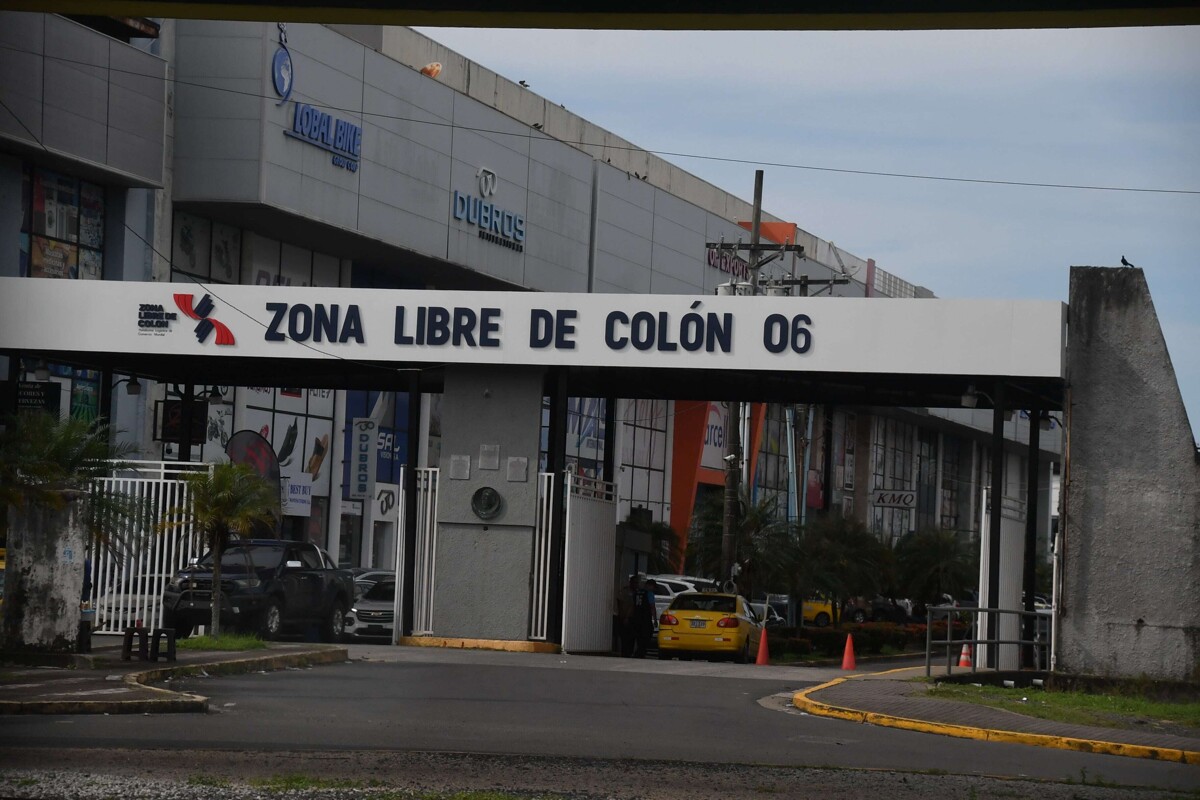
In the first two months of 2026, the Colón Free Trade Zone (CFZ) activity reflects a complex global trade dynamic. The total commercial exchange reached $3,696.1 million, 0.3% less than in the same period of 2025. However, the physical volume of cargo increased by 9.6%, totaling 437.2 thousand metric tons. This gap between volume and value indicates a new trend: goods are moving in larger quantities but at lower prices. Imports fell by 2.3% to $1,873.5 million, while re-exports rose by 1.9% to $1,822.6 million, showing a more dynamic flow of goods out of the zone. China remains the main supplier, although its value share decreased. At the same time, there was a noticeable shift in the geography of suppliers and destination markets. Panama became the main re-export market, and Venezuela moved to second place, significantly increasing its volumes. New customs procedures, effective April 1, have raised concerns among logistics operators, who fear increased bureaucracy and reduced competitiveness for the zone. Overall, the CFZ demonstrates its ability to adapt to changing global market conditions, shifting from a model of large inventory storage to efficient logistics and supply chain management.