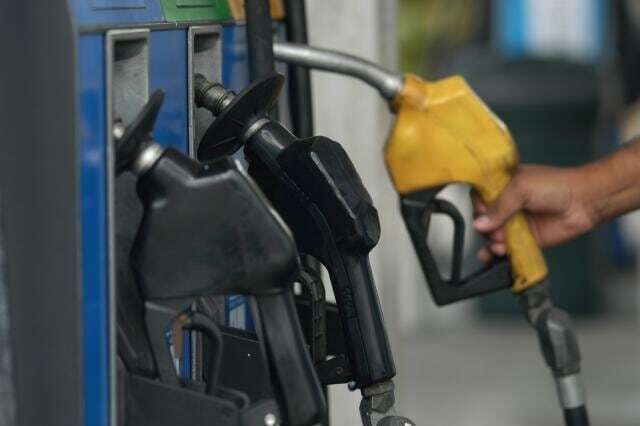
Panama is implementing the mandatory use of E10 gasoline, which contains 10% bioethanol. This measure, approved by the National Assembly, aims to reduce dependence on oil, support the national agricultural sector, and achieve carbon neutrality. However, the transition to this new fuel type presents technical challenges. Due to Panama's high humidity, there is a risk of phase separation in the fuel tank, especially if a vehicle remains parked with a half-full tank for a long period. Additionally, ethanol has a lower energy density, which can lead to a 2-5% loss in fuel efficiency. To compensate for this effect, gas stations should offer a corresponding discount. Authorities must ensure that the promised savings actually reach consumers and are not silently passed on as a hidden cost. Owners of motorcycles, boats, and older vehicles should pay special attention to the condition of their filters and seals, as ethanol is a stronger solvent than conventional gasoline. Although the use of special additives is not mandatory, experts recommend them to prevent long-term corrosion of the injection system. The success of this initiative will depend on flawless execution, public education, and balancing macroeconomic benefits with the actual savings for each driver.