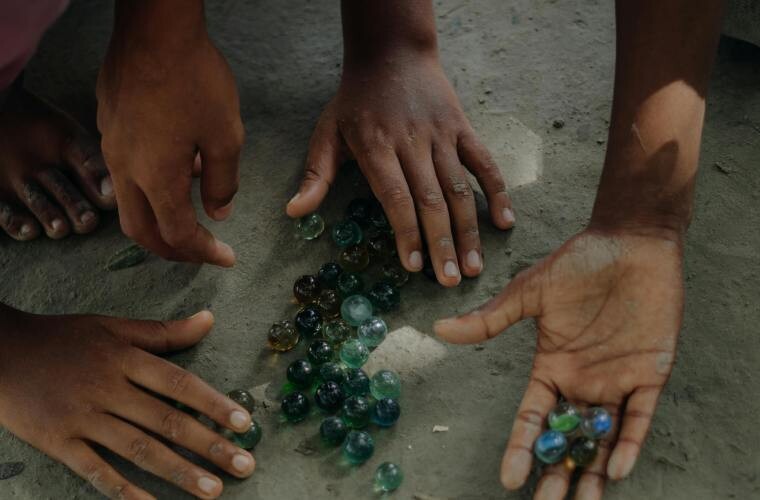
In Panama, 35% of children and adolescents live in poverty, while 16% are in extreme poverty, according to the study 'Child Poverty in Panama: a territorial approach to monetary poverty in childhood and adolescence', presented by the Ministry of Social Development, UNICEF, and the World Bank. According to Sandie Blanchet, UNICEF representative in Panama, child poverty negatively affects the cognitive, physical, and emotional development of minors and is not limited to a lack of income. This situation translates into fewer opportunities, less access to quality services, and greater barriers to the comprehensive development of children, girls, and adolescents who grow up in poverty. The report also highlights that child poverty has a greater impact on the youngest children, especially those living in large households and single-parent families led by women. Likewise, territorial inequalities are evident within the same province. Blanchet noted that Panama needs to improve public investment and increase private investment in childhood to break intergenerational cycles of poverty and inequality, which limit the country's growth. In Veraguas, child poverty reaches 15.7% in the district of Santiago, while in Santa Fe it reaches 78.7%, showing strong regional gaps. For his part, Juan Pablo Uribe, World Bank Division Director for Central America and the Dominican Republic, indicated that improving the targeting of economic aid constitutes a strategic investment in human capital. He assured that providing support from early childhood is key to strengthening the skills that will sustain productivity, employment, and long-term economic growth. The Minister of MIDES, Beatriz Carles, emphasized that these data will allow public policies to be oriented towards a more focused, equitable, and effective care, prioritizing the most vulnerable populations. According to MIDES, Panama has made progress in reducing poverty in recent decades; however, it continues to work to close territorial gaps and improve the living conditions of childhood.