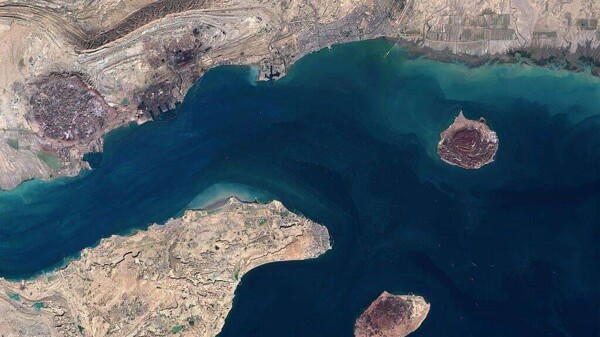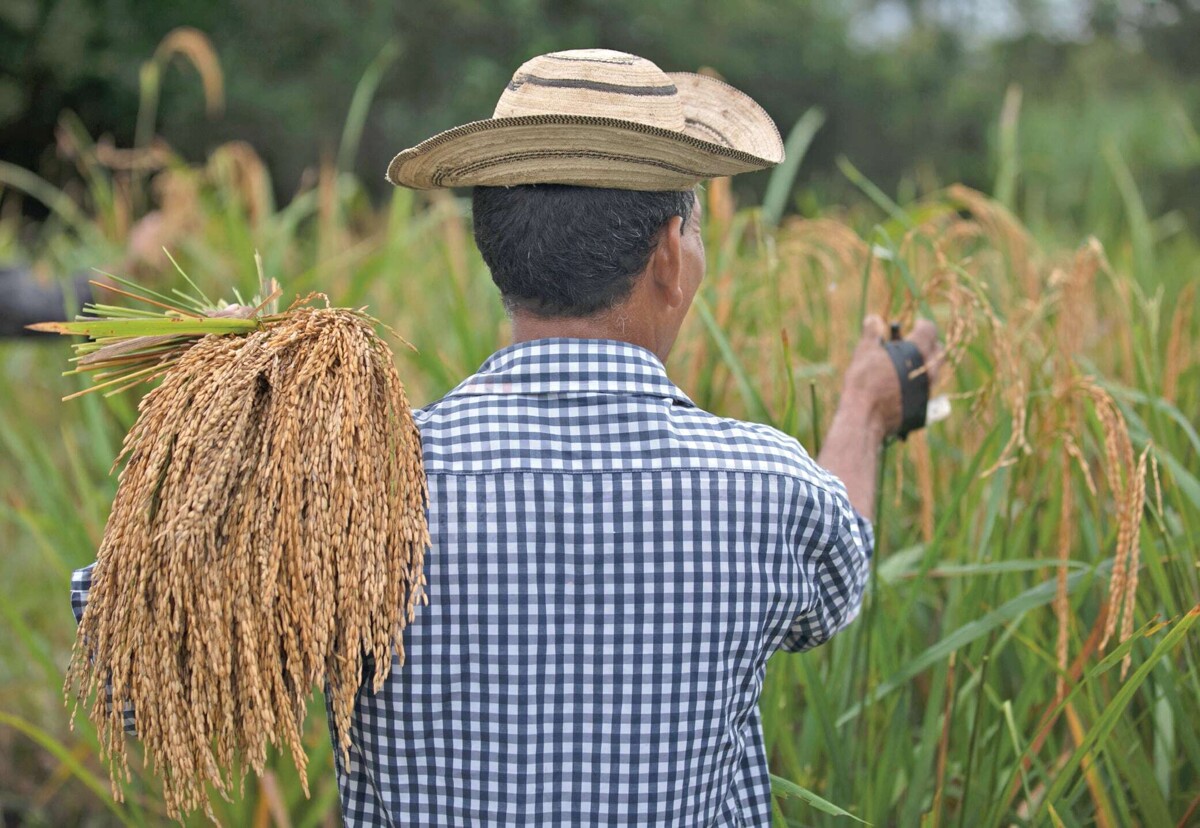
Panama has one of the highest per capita consumption rates in the Americas, between 154 and 162 pounds (70 to 73.5 kilograms) per person per year. Arnulfo Morales, representative of the Federation of Rice Producers Associations of Panama, stated that there are currently no problems with the rice supply, but there is concern about the impact of rising costs. "We are fully willing to continue producing, and the country is 100% supplied with rice," affirmed Morales. He also indicated that the impact of the cost increase will be felt in the next planting cycle, which began in March in the lowlands of Chiriquí, with the harvest estimated between June and July. The producer pointed out that any measures adopted must cover not only rice producers but also other agricultural sectors that are being affected. In this context, the producer sector is awaiting government measures, especially regarding subsidies and support for inputs. "We are waiting for the official position on aid for fuel and fertilizers... the mechanism has not been communicated to us," he reiterated. During the meeting, representatives of the National Association of Rice Millers (Analmo) proposed analyzing the import of a rice contingency for October. The president of Analmo, Ivanna Quintero, stated that the proposed import quantity, around 1.5 million quintals, responds to the country's current needs. She explained that factors such as a possible price increase due to production costs, a potential deficit in the last planting, and the lack of compensation to the producer have been considered in the analysis. "All these elements are considered as risks and are incorporated into the formula to determine an adequate figure that will allow to oxygenate the country's silos," she indicated. Quintero detailed that nationally, the storage capacity exceeds 6 million quintals of clean and dry rice. In this context, the guild proposes the import of 1.5 million quintals, with the aim of guaranteeing supply and maintaining market stability. The proposal, however, was rejected by the majority of rice producers, who argued that there is sufficient inventory and that if compensation measures are adopted to mitigate the rise in diesel prices and access to fertilizers at competitive prices is guaranteed, it will not be necessary to import. It is expected that the Ministry of Agricultural Development will present a proposal on what the compensation mechanism for the increase in production costs will be. The increase of approximately 20% in the production costs of rice, driven by the rise in diesel and fertilizers, has the entire production chain of this sector on alert, which is already evaluating measures to avoid impacts on the planting cycle and the supply. During an extraordinary meeting of the rice agri-food chain, producers warned that costs continue to rise. They also warned that the conflict in the Middle East and a possible closure of the Strait of Hormuz could disrupt the supply and cause a shortage of fertilizers, which would end up pushing prices up for the consumer. Any variation in the behavior of rice has a direct impact on the lives of Panamanians.