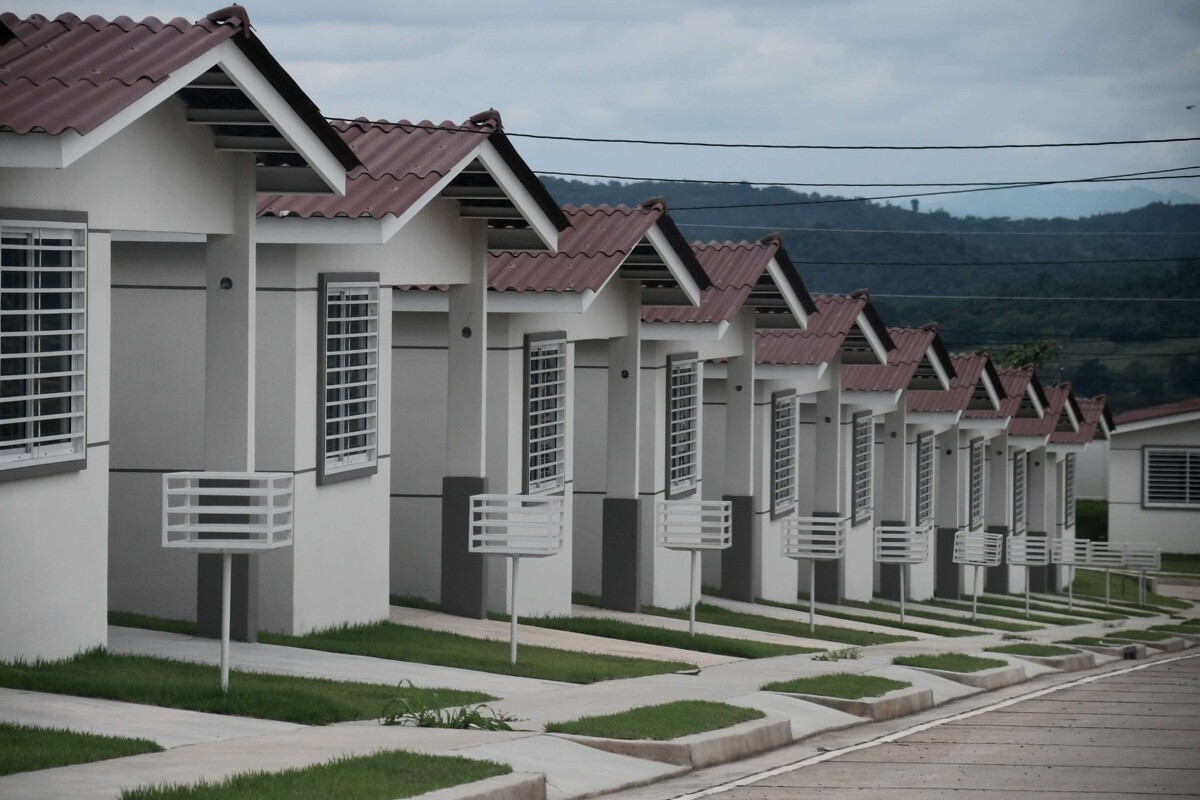
New tax on new homes suffocates buyers and builders. Specialists agree that the sector's decline is not due to a single factor but an accumulation of shocks over recent years. In addition to the fall in construction value and employment, factors such as the rising cost of financing, increased material costs, and regulatory uncertainty are creating a scenario where new taxes could worsen the negative trend already reflected in sector figures. They emphasized the importance of incentivizing construction, which has a positive effect on the economy and tax revenue. "For every dollar generated in construction, $2.34 is contributed to the economy in GDP plus $0.24 in tax payments," highlighted Molino Ferrer.
Another indicator reflecting the contraction is the decline in mortgage credit demand. As of the end of the first quarter of 2026, demand for housing financing shows a contraction of over 40% compared to the same period in the previous year, according to data from the Superintendency of Banks. This reduction shows a cooling in purchase intent, in line with the slowdown in residential unit sales and the lower execution of real estate projects. Specialists explained that this decrease is a result of a combination of factors, including rising interest rates in recent years, job losses, and uncertainty surrounding the Preferential Interest Law presented in 2025. To this are added new charges that increase the acquisition cost, such as the ITBI, which delays the purchase decision and reduces households' ability to qualify for a credit, thus deepening the contraction of the real estate sector.
They reiterated that the fiscal impact of the new ITBI tax could be negative on a net basis. According to the analysis presented, although the state could collect around $37 million in an optimistic scenario, the contraction in sector activity would cause a greater fall in other tax revenues, such as income tax, ITBMS, and employment-related contributions. In this sense, they warned that the measure could end up generating a loss of more than $123 million in revenue, in addition to significantly reducing the economic activity associated with construction with an estimated loss of $1.3 billion, which is why they request the Ministry of Economy and Finance to reconsider this issue and restore the exemption that existed for new homes.
Even allocating 5% of their income, it would take a person nearly 34 months to gather the necessary money to cover initial costs associated with buying a home, which in practice leaves it outside the formal real estate market. From the sector, it was also warned that this type of measure can affect a fall in investment. Elisa Suárez, director of Convivienda, stated that additional costs end up being passed on to the final price of homes, which not only affects the buyer but also reduces the turnover of projects and discourages new developments at a time when supply is already decreasing.
"We have a huge impact on the construction sector. The pandemic, the closure of the mine, the uncertainty about the preferential interest law in several government periods, street closures and protests, and the loss of incentives have caused a gradual decline in construction activity in recent years, which in turn has generated a loss of 40,000 jobs since 2018," warn studies carried out by the National Housing Council (Convivienda) with data from the National Institute of Statistics and Census. The analysis presented by economist Eric Molino mentions that in 2025 alone, the value of constructions contracted by 38.8%, reflecting a more pronounced fall in Arraiján (-86.1%), Chitré (-43.3%), Panama (-36.3%), and Santiago with a reduction of 21.7%. Molino Ferrer added that currently, there are additional factors that could deepen the sector's slowdown, such as new tax burdens. He explained that the introduction of new costs, such as the 2% charge on the Transfer of Immovable Property Tax (ITBI) for new homes, directly impacts the purchase dynamic in a market that already shows weakness in sales and job generation. The specialist warned that, unlike other products, housing in Panama is highly price-sensitive due to its affordability. "It takes the average Panamanian about 10 years to buy a house," he pointed out, which means that any additional increase can significantly reduce demand and delay purchase decisions in an already pressured economic context.
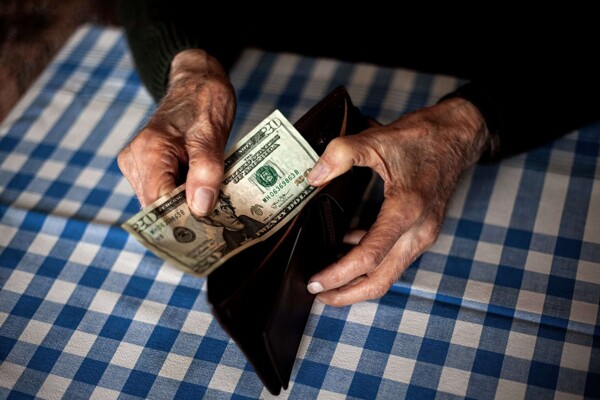
To this is added a structural limitation of financing: the ITBI tax is not covered by banks, which forces buyers to assume a larger initial payment. As explained, this factor can exclude a significant part of the population from accessing housing, especially in lower-income segments where savings capacity is already limited. He detailed that a person earning less than $800 monthly—a group that represents a significant portion of the population—has over 50% of their salary committed to debts, which limits their ability to save.