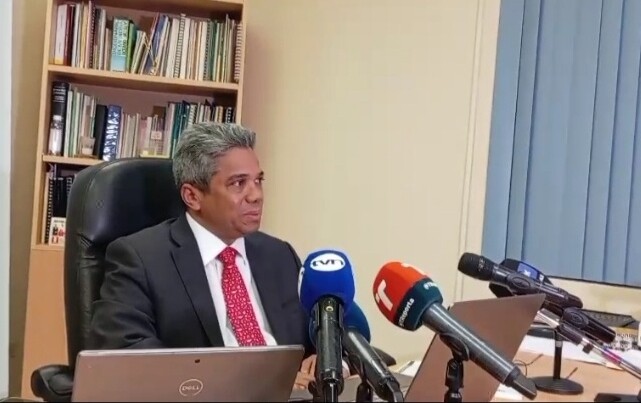
The Ministry of Health of Panama has confirmed 15 cases of pertussis in the Ngäbe-Buglé region, specifically in the areas of Soloy, Quebrada Caña, and Cerro Miel. The majority of those affected are under 14 years of age and have not received the vaccine for the disease or have an incomplete vaccination schedule. Blas Armien, head of the Department of Epidemiology of the Ministry of Health, detailed that, in addition to these cases, there is one more related by epidemiological link. He also confirmed the death of a 17-year-old patient, whose case is still under investigation. Pertussis, which initially presents as a common cold, can rapidly progress to episodes of severe coughing, especially in young children. In the most severe cases, especially in infants, symptoms can include difficulty breathing, a bluish or grayish color to the skin, vomiting, and a characteristic "whooping" sound when inhaling after coughing. Armien made an urgent call to vaccinate children under one year of age and children from 1 to 4 years of age, as well as adults, as the vaccine is free and safe. In addition, he emphasized that pertussis is not transmitted by insect bites or contact with animals, but through the small droplets of fluid that an infected person releases when coughing or sneezing. The head of Epidemiology detailed that pertussis has an incubation period of approximately seven days before full symptoms develop. The Ministry of Health maintains epidemiological surveillance due to the alert for the pertussis outbreak in the comarca, and has also implemented preventive actions in the affected communities. Regarding treatment, he explained that it includes antibiotics to eliminate the bacteria and supportive measures to relieve symptoms. Finally, Armien stressed the importance of following basic hygiene standards, such as frequent handwashing and the use of masks, to reduce the spread of the disease.