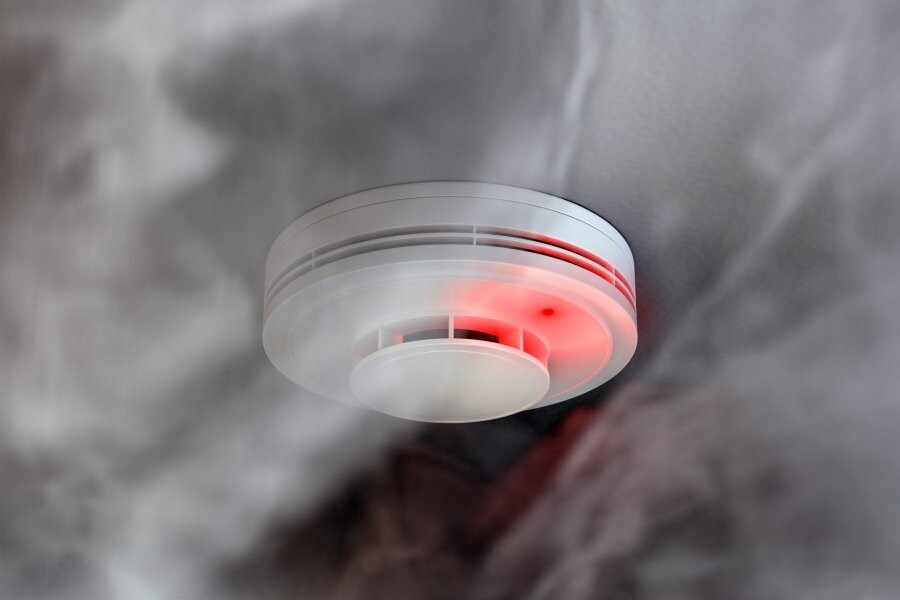
In modern building design, smoke control systems play a crucial role in fire safety, going far beyond just putting out fires. This is especially important in complex structures like tall office towers, large shopping malls, or critical data centers. The primary goal of these systems is not to extinguish the fire but to control and limit the movement of smoke and hot gases, which are the main cause of fire-related deaths. These engineered systems often work in conjunction with fire suppression systems. For instance, Carbon Dioxide (CO2) suppression is highly effective for deep-seated fires and industrial hazards as it displaces oxygen. However, CO2 systems are dangerous for people and can be lethal in the areas where they operate, as they work by replacing oxygen. Therefore, a well-designed system must maintain clear paths for evacuation and use mechanical ventilation. In contrast, clean agents like FK-5-1-12 (Novec 1230) are considered safe for occupied spaces. They extinguish fires at concentrations much lower than those that would make oxygen levels dangerous. FK-5-1-12 leaves no residue, does not conduct electricity, and causes minimal damage to sensitive electronics, making it perfect for control rooms, archives, and telecommunications centers. The choice between these systems depends on the type of hazard, the size of the area, and, most importantly, whether people are present. Integrating a suppression system with a comprehensive smoke control strategy creates a layered defense for both asset protection and occupant safety.