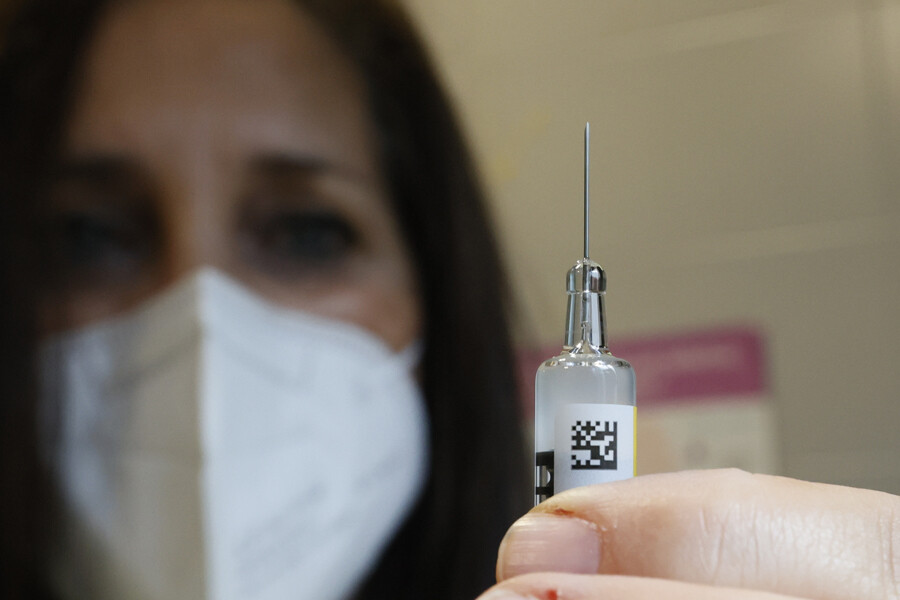
An international collaboration led by Cochrane has conducted a meta-analysis confirming that the human papillomavirus (HPV) vaccine prevents cervical cancer and precancerous changes, especially when administered to young people who have not yet had sexual intercourse and have not been exposed to the virus. The meta-analysis, a statistical study that combines the results of multiple studies on the same topic, has demonstrated the 'strong and consistent evidence' that these vaccines prevent cervical cancer, are safe, and only cause mild and transient side effects, such as arm pain. HPV is a family of common viruses that includes viruses causing skin warts. While most are harmless, some are 'high-risk' and can cause cervical, anal, penile, vulvar, vaginal, and throat cancers, and others can cause anogenital warts. Cervical cancer is the fourth most common cancer in women worldwide and causes more than 300,000 deaths each year, especially in low- and middle-income countries, where vaccines could prevent most of these cases. The first review summarizes the results of 60 clinical trials involving 157,414 people. These trials showed the vaccines to be effective in preventing infections that could lead to cancer and other HPV-related diseases. Since cancers caused by HPV can take many years to appear, most studies were not long enough to measure the direct effects on cancer. However, the vaccines reduced precancerous changes in the cervix and other tissues in people aged 15 to 25, the number of people who needed treatment for a virus-related disease, and significantly lowered the risk of anogenital warts. Additionally, while mild side effects were common, severe ones were 'rare' and occurred at similar rates in both vaccine and control groups. 'Clinical trials cannot yet give us a complete picture of cervical cancer, as HPV-related cancers can develop over many years,' stated Hanna Bergman, lead author. 'That said, she emphasized, the evidence from these trials confirms that HPV vaccines are highly effective at preventing cancer-causing infections, with no signs of major safety issues.' The second review included results from 225 studies with over 132 million people from various countries and showed that the vaccine 'clearly reduces the risk of developing cervical cancer and precancerous changes of the cervix.' Girls vaccinated before or at age 16 had an 80% lower risk of developing cervical cancer than unvaccinated girls. The review also found 'considerable' reductions in precancerous changes (known as CIN2+ and CIN3+) and anogenital warts, which are also caused by HPV infection, and these reductions were greater among those vaccinated before age 16. The review also found no evidence to support claims that HPV vaccines increase the risk of serious adverse events—side effects 'linked to the vaccine and often debated on social media,' noted co-author Nicholas Henschke. The authors consider that the two Cochrane reviews provide the most comprehensive and up-to-date evidence on HPV vaccination to date and support the international recommendation to vaccinate girls and boys, preferably before age 16, for greater protection. Furthermore, the evidence shows that the HPV vaccine is a safe and highly effective public health measure capable of preventing cancers that affect hundreds of thousands of people each year. The study points out that most research studies have been conducted in high-income countries, which means more studies are needed in low- and middle-income regions, where cervical cancer is more frequent and screening programs are scarce; it is in these countries that HPV vaccination will have an even more positive impact.