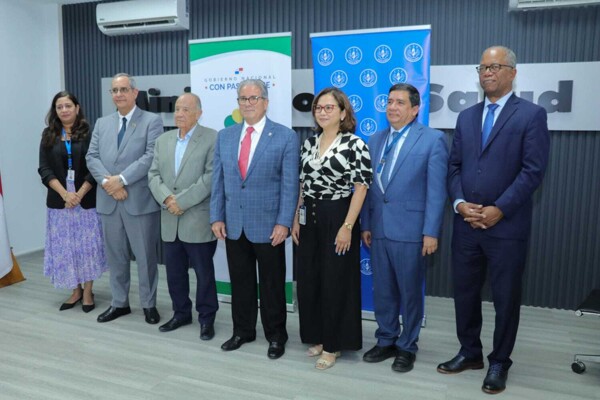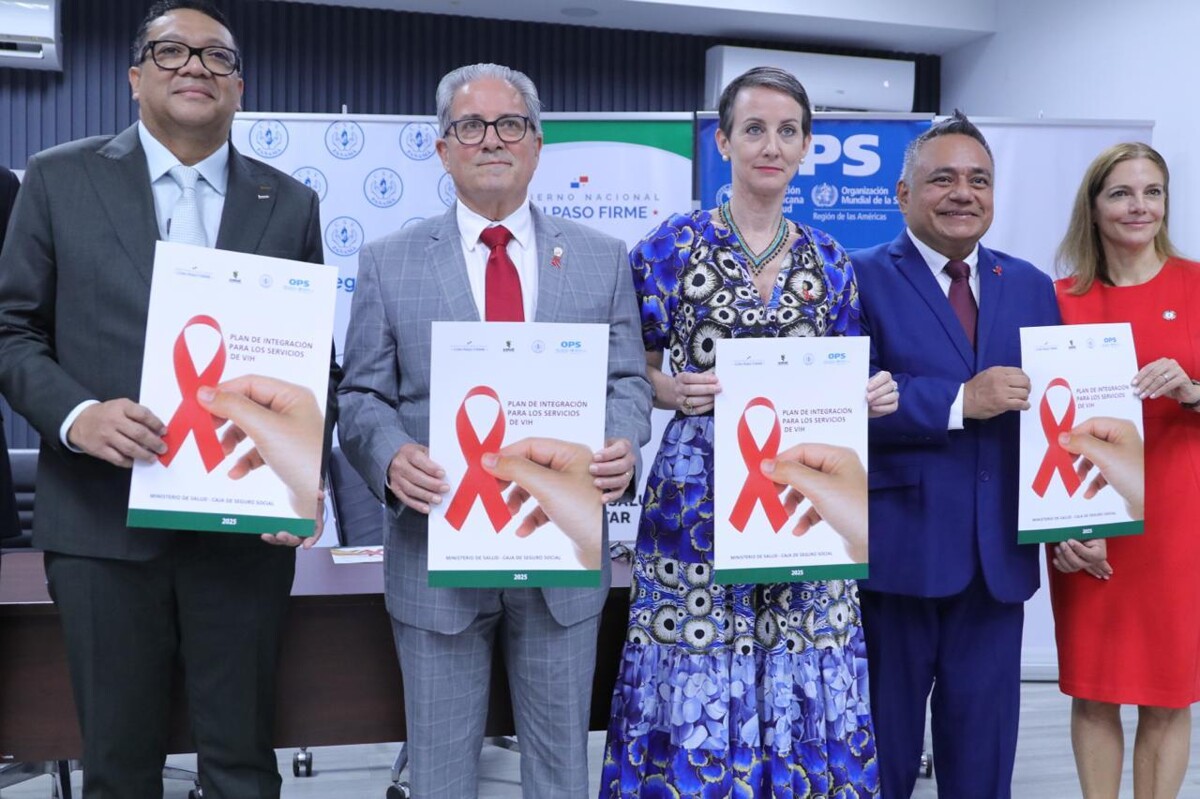
There are 28,000 people living with HIV in Panama, and getting tested once a year can make the difference between living with controlled HIV or discovering it too late. This year, UNAIDS set the theme: “Let’s End It: The Fight for Equity,” and that is exactly what this new plan aims to do. On World AIDS Day, the Ministry of Health (Minsa) and the Social Security Fund (CSS) set aside bureaucratic protocols and announced something the public has long demanded: a plan for the integration of health services for HIV. This is a historic move to ensure patients no longer have to navigate between different offices and receive dignified, rapid, and excuse-free care. The plan aims for the two institutions to work as a single team, with unified protocols, continuous care, and better use of resources. Key focus areas include prevention, reducing stigma, diagnosis, treatment, and research. At the launch, Minister Boyd, Director Mon, the PAHO representative Anna Rivière Cinnamond, directors from Minsa, and several organizations that have fought for years for the country to take this issue seriously were present. This move, if truly implemented, could be the first step toward a more just, equitable, and humane health system for people living with HIV in Panama. They announced upcoming campaigns for prevention, sex education, and a strong effort to cut stigma and discrimination, which remain one of the heaviest burdens for those affected. The head of the HIV/AIDS program at Minsa, Carlos Chávez, detailed that the focus will start in the regions with the highest reported cases: Ngäbe-Buglé, Panama Metro, Panama West, San Miguelito, Bocas del Toro, and Chiriquí. In short: the system will no longer be fragmented, and people with HIV will receive a clear, organized, and human response. Minister of Health Fernando Boyd Galindo was direct: there are still obstacles, delays, and inequities affecting those seeking care. “Challenges persist… interruptions… inequities… and a fragmented response,” he said, assuring that the idea is to fix all that with a real union between Minsa and the CSS. Meanwhile, CSS Director Dino Mon emphasized that this plan is meant to tear down the invisible wall that has always separated the two institutions.