When facilities share services such as ophthalmology, family medicine, laboratory, pharmacy, imaging, and specialists, the country gains: more attention in less time, fewer unnecessary expenses and duplication, maximum installed capacity utilization, and specialists bringing their knowledge where it is truly needed.
The institution reaffirms that this integration is a step by the State towards a more modern, efficient, and humane health system, where the patient always comes first and Panama advances towards a coherent model without waste, with a future vision and at the service of all.
The entity details that while one facility had ophthalmology, laboratory, or available specialists, the one in front had to start new processes to offer the same: hire staff, initiate purchases, acquire equipment, and duplicate expenses.
Furthermore, better quality with the same resources, smarter and better-priced purchases, services closer to communities.
CSS believes that if a service already exists in one facility and has free space, there is no point in rebuilding it in the one across the street.
According to CSS, this integration corrects this historical inefficiency.
According to CSS, for decades, Panama has maintained two parallel care networks, often separated by just a single street.
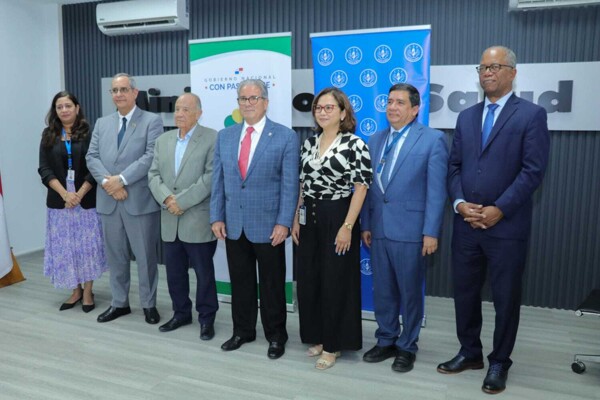
The Social Security Fund (CSS) states that the integration process with the Ministry of Health (Minsa) represents a necessary transformation to modernize the public health system, eliminate duplications, and responsibly use the existing infrastructure for the benefit of all Panamanians.
It explains that the result of this is wasted time, duplicated resources, and idle capacity that could have been used to attend to thousands more people.
It cites as an example having two classrooms: if one has an art teacher and the other does not, the responsible thing is to share her, not to hire another to teach exactly the same thing.
This unification process is carried out within the framework of Law 462 and other current regulations, ensuring institutional clarity and transparent planning.