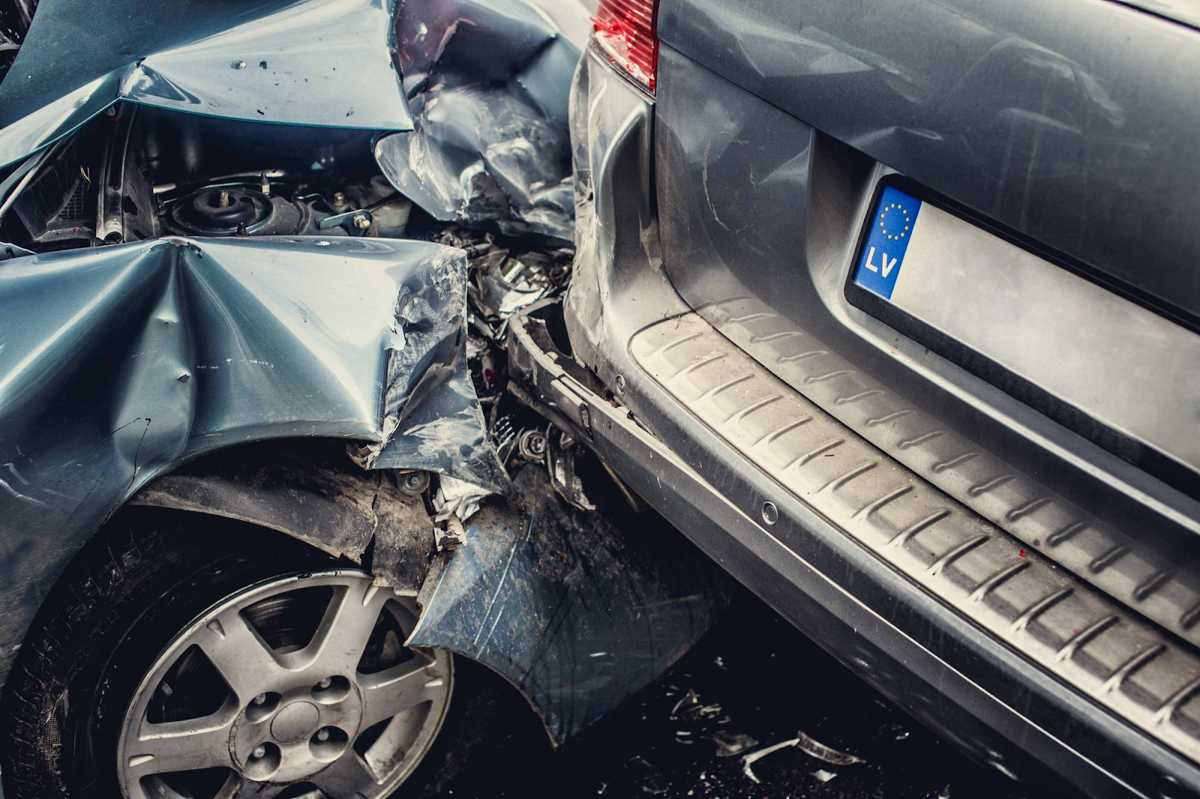
Trauma after a car accident is rarely a single injury or emotion. Insurance companies often challenge psychological injuries, and courts require evidence that ties trauma directly to the crash. Building that connection takes documentation, professional evaluations, and consistent reporting. A detailed record of physical symptoms can significantly strengthen a case. Physical injuries, cognitive symptoms, and emotional stress can all influence how clearly victims recall events, how confidently they communicate, and how effectively they make decisions in the weeks and months that follow. When trauma shapes memory, focus, or communication, the legal system may feel especially demanding. It's a mix of physical shock, cognitive disruption, and emotional fallout that can surface minutes, days, or even weeks after the crash. For many people, especially those dealing with legal deadlines and insurance pressure, this layered trauma becomes one of the biggest barriers to moving forward.
Car accidents can create several forms of trauma at once: physical trauma, such as whiplash, fractures, soft-tissue injuries, or internal damage; cognitive trauma, including traumatic brain injury, confusion, slowed thinking, difficulty concentrating, or memory gaps; and emotional trauma, ranging from acute stress reaction and mood swings to anxiety, irritability, or shock. These serious injuries often overlap. By understanding how trauma influences each step of a case, victims can better protect their rights and move toward both justice and recovery with clarity.
That reality makes motor-vehicle collisions one of the most common sources of trauma-related mental health conditions worldwide. These effects can blur memory, heighten stress, and complicate decision-making at exactly the time victims are asked to report details, answer questions, and make legal choices that affect their future. Trauma often makes those expectations harder to meet.
Trauma after a car accident doesn't follow a straight line, and neither does the legal process that comes with it. Many victims find that the stress shows up in unexpected ways. Some replay the crash in their minds, avoid driving, struggle with sleep, or experience bursts of fear or irritability without understanding why. These reactions can be triggered by ongoing pain, loss of work, financial stress, or simply the memory of the crash itself. Victims may worry about returning to work, managing medical bills, or simply driving again. Even routine tasks like calling an insurance adjuster or reviewing paperwork can trigger elevated stress.