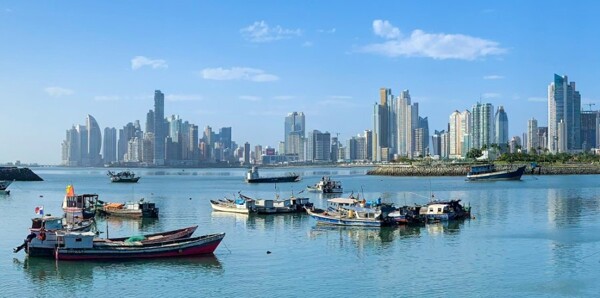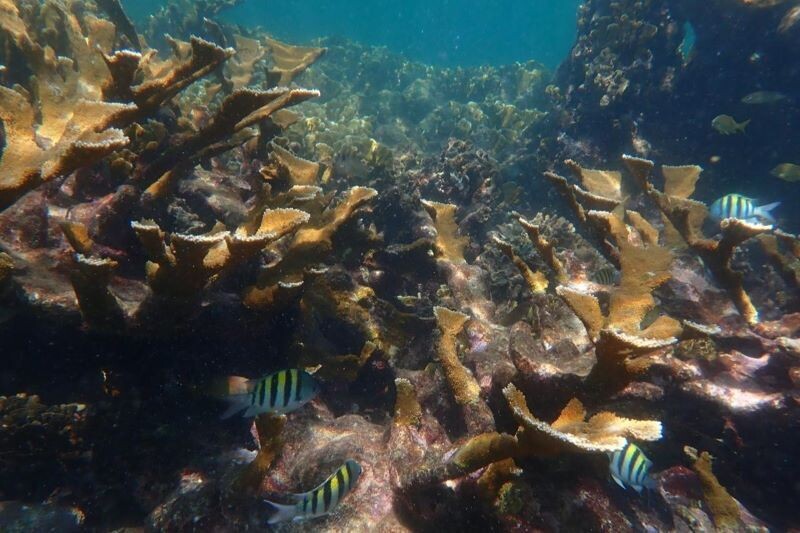
Seagrass meadows are vital coastal ecosystems that serve as refuge and feeding zones for numerous species of fish, mollusks, crustaceans, and bivalves. Unlike algae, with which they are often confused, these organisms are flowering plants capable of producing flowers and forming extensive underwater meadows that ensure connectivity between mangroves and coral reefs. The stability of these ecosystems is under pressure from anthropogenic and climatic factors. Unplanned coastal development, chemical and physical pollution, as well as unsustainable tourism, are among the main threats. According to the official, seagrasses require holistic management due to their high sensitivity. The degradation of coral reefs removes the natural protection they provide to the areas where seagrass meadows are located, weakening a fundamental ecological cycle for the coast. Institutional actions and scientific monitoring The Ministry of the Environment of Panama, through the Directorate of Coasts and Seas and the Directorate of Environmental Information, is currently implementing a coral and seagrass mapping project. Barsallo emphasizes that the degradation of these spaces reduces resources for commercial species and increases the vulnerability of communities that depend on fishing and tourism. Legal framework and international commitments In terms of legislation, Panama has Law 304 of May 31, 2022, which establishes the comprehensive protection of coral reef systems and seagrass ecosystems. The commitment of all sectors is required to prevent pollution, promote responsible tourism, and strengthen environmental education in national communities to safeguard marine biodiversity. Director Barsallo emphasizes that the conservation of these resources is a shared responsibility.