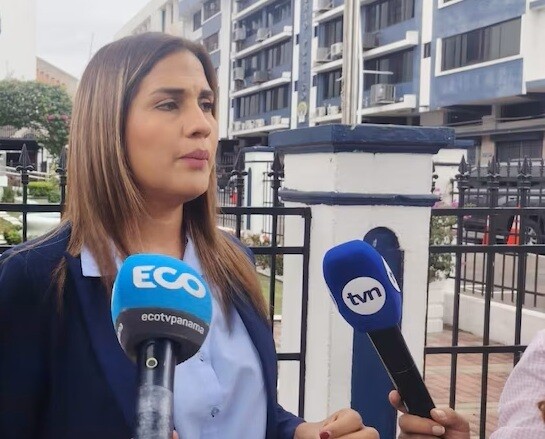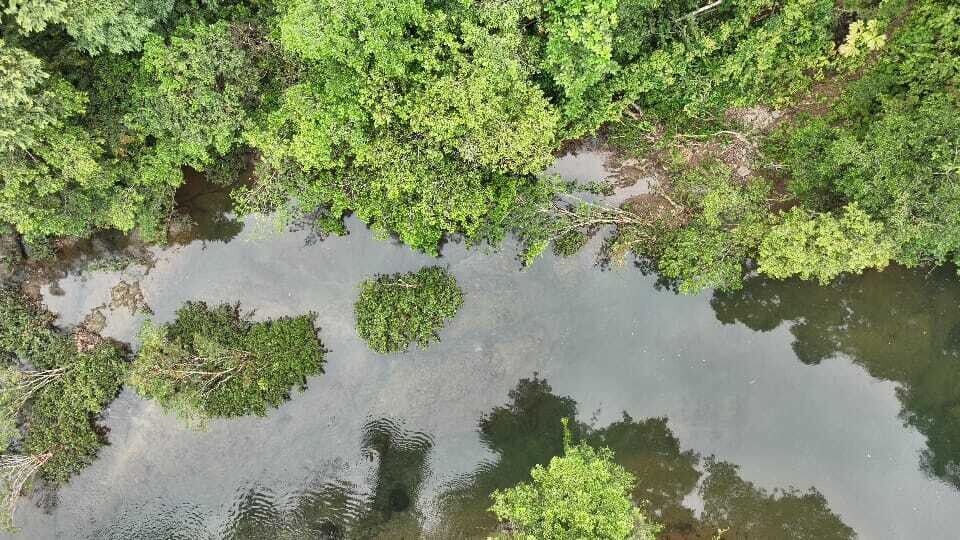
On the occasion of the International Day of Action for Rivers, the Ministry of Environment (MiAMBIENTE) is promoting actions aimed at the protection, conservation, and sustainable management of the country's water resources. According to MiAmbiente, the country has approximately 500 rivers, 67 lacustrine systems, and 52 river basins, whose conservation is key to ensuring water supply for human consumption, agricultural production, energy generation, and biodiversity conservation. The entity is promoting actions for the integrated management of river basins, focused on water resource monitoring, ecosystem restoration, the generation of scientific information, and strengthening citizen participation in water governance. One of the pillars of this management is the strengthening of River Basin Committees, participation spaces that allow communities, local authorities, organizations, and water users to articulate in decision-making for the protection of rivers. Karima Lince, Director of Water Security at MiAMBIENTE, detailed that at the national level, 44 basin committees, 41 sub-basin committees, and 2 micro-basin committees have been formed, which are community structures that promote conservation, restoration, and monitoring actions for water resources. She also highlighted the creation of urban sub-basin committees for rivers such as Curundú, Matasnillo, Río Abajo, and Matías Hernández, in coordination with the municipalities of Panama and San Miguelito, with the objective of strengthening water management in urban environments and reducing the impacts of pollution on these important watercourses. Other actions promoted by the entity include hydrological and hydrogeological monitoring, participatory biomonitoring of rivers along with basin committees, the assessment of groundwater, and the updating of management tools for territorial planning.