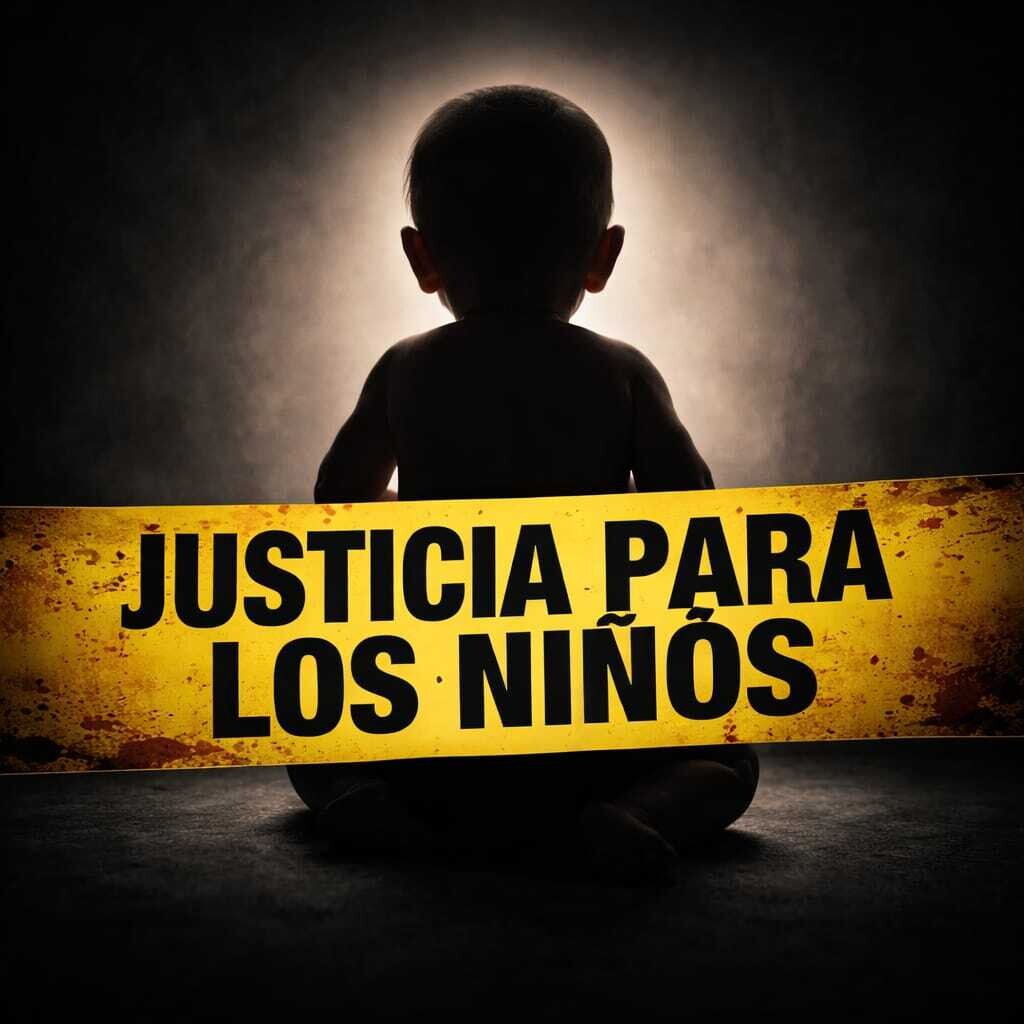
The case of a nine-month-old baby who remains in critical condition after being a victim of sexual abuse in the province of Veraguas has caused national outrage and sparked a heated debate about failures in child protection in Panama. Women's rights defenders and specialists in sexual violence warn that what happened cannot be seen as an isolated incident, but as the result of a chain of omissions that allowed an aggressor to access a completely helpless victim. Women's rights defender Lorena González was firm in referring to the seriousness of the case. 'I don't know what failed in the baby's protection system. Penalties must be much harsher, and above all, there must be certainty of punishment,' she stated. According to the specialist, when sanctions are truly severe and applied without exceptions, it sends a clear message to potential aggressors. 'When people know they will face severe consequences, they will think twice or three times before committing this type of crime,' she indicated. Urgent measures Both specialists agreed that preventing child sexual abuse requires strengthening early detection mechanisms and improving institutional coordination. Among the proposed measures are early alert protocols in pediatric check-ups, training in schools and daycares to detect signs of abuse, and strengthening the institutions responsible for protecting children. Torres also raised the need for accessible reporting channels and 24-hour attention lines, even anonymously, so that the community can alert about possible cases. 'There must be immediate coordination between health, police, and justice. The protection and security measures adopted by parents fall on relatives, caregivers, and the child's entire environment,' she noted. According to the specialist, excessive trust can become a risk factor that exposes children to aggressors. 'Excessive trust places the child in a situation of vulnerability before aggressors,' she warned. In addition, she recommended that parents and caregivers observe the behavior of minors in their environment, even family members, and check the backgrounds of those who have contact with them. 'A chain of omissions' Meanwhile, gender violence specialist Itzel Torres assured that this case reflects structural weaknesses in child protection mechanisms. 'More than talking about a failure in the child protection system, we are facing a chain of omissions and limitations: lack of early alert, little community reporting or reaction, weaknesses in institutions, and lack of coordination,' she explained. Torres emphasized that the case is even more shocking because it involves a completely helpless victim. 'We are talking about a nine-month-old baby who cannot fend for herself and depends completely on the people around her,' she indicated. The specialist also questioned what happened in the minor's immediate environment. 'We have to ask who was taking care of her and who was around her, because a baby absolutely depends on the adults in her environment,' she pointed out. Debate on penalties Torres also believes that current sanctions for sexual crimes against minors are still insufficient given the severity of these crimes. 'Thirty years seem ridiculous in the face of such grave facts.'