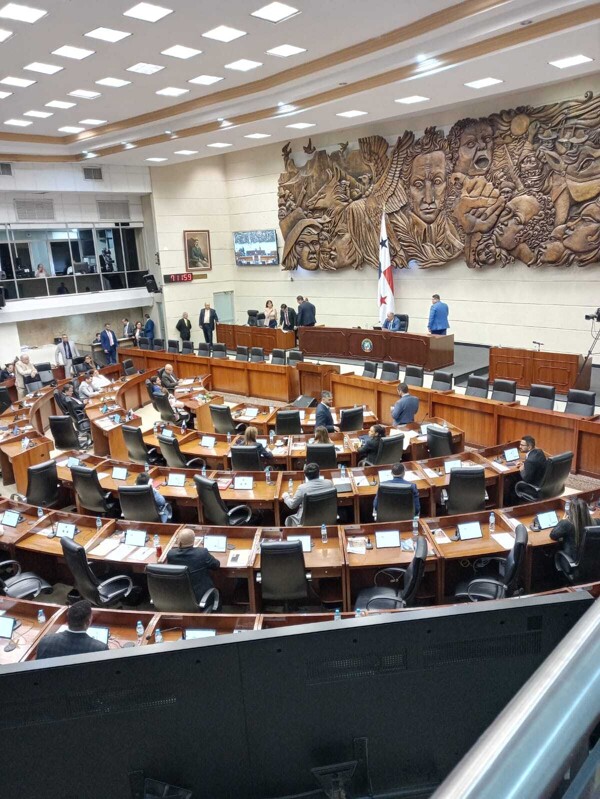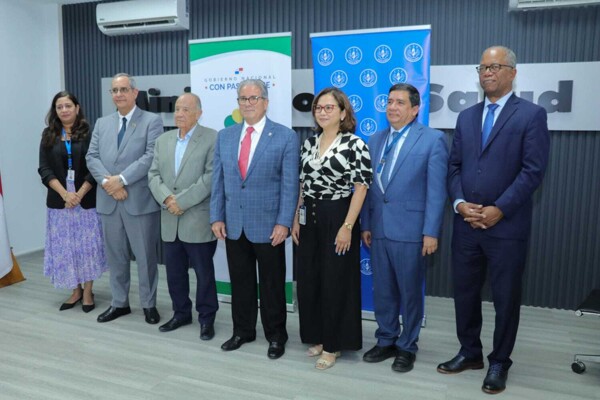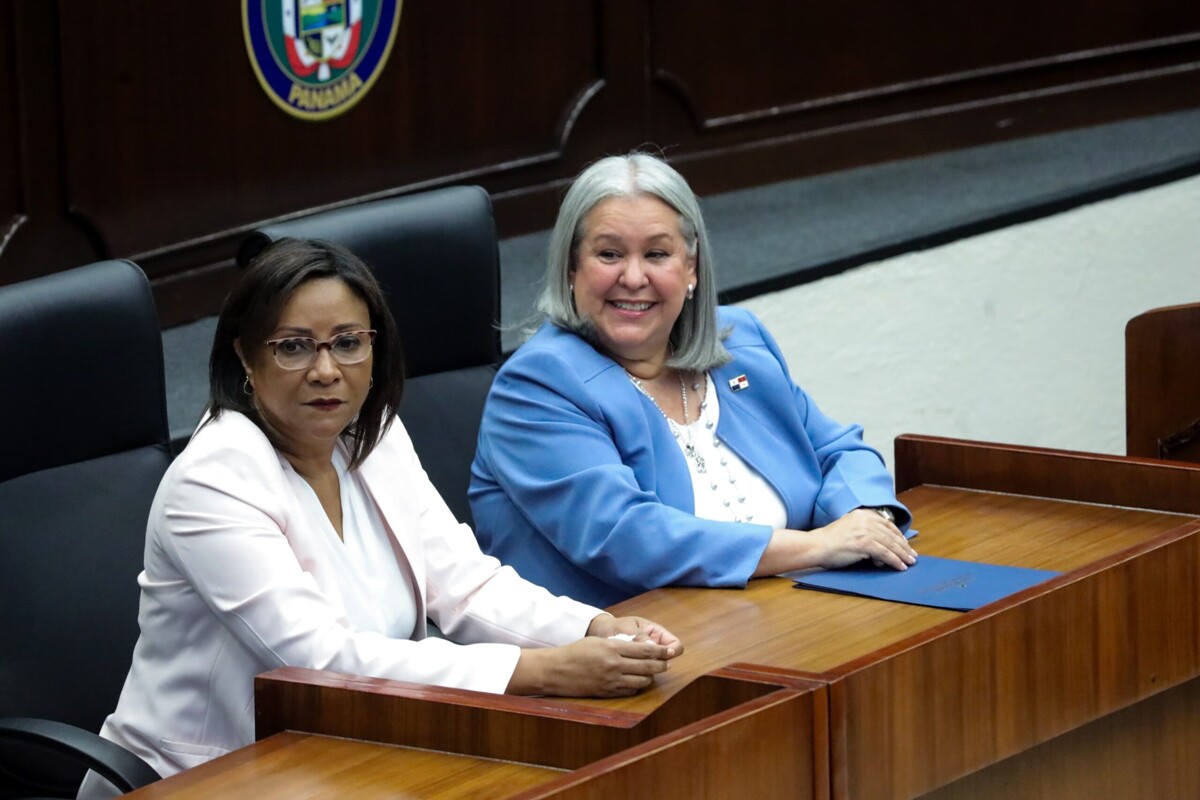
The National Institute for Women (INAMU) presented the National Assembly with a bill that creates the National Gender Institute (INAMU), which is responsible for the development of public policies. The initiative is based on the National Gender Policy and aims to strengthen the institutional capacity for gender equality. The initiative was presented to the President José Raúl Mulino under the framework of the national government's gender policy.
**Key points of the bill** According to the document, INAMU provides technical, administrative and financial autonomy, which allows it to guarantee its institutional independence and effectively carry out its work. The Institute will coordinate with other relevant public organizations and civil society organizations, which ensures transparency and legitimacy in the management of gender equality.
**Role of the Ministry of Social Development (MIDES)** MIDES coordinates with other public sector institutions, social policy agencies and supports the implementation of INAMU's resolutions on the ground. This allows for the expansion of programs and ensures more effective action on territorial issues.
**Gender approach in public institutions** The project incorporates a gender analysis into all public sector structures. As a minister, Beatriz Carles, this model allows to "guarantee that women are empowered, represented and supported on all fronts".
**Multilateral experience** The authors of the document are drawn from practice in countries such as Argentina, Canada, Colombia, Spain, Israel and Peru, where the technical and political expertise has been successfully applied to the design of social policies.
**Principles and objectives** The reform consolidates all existing rights and programs for women, emphasizing the importance of access to justice and social services. The breaking down of bureaucratic barriers and the simplification of procedures are key to the effective implementation of the policy.
The bill will be discussed in the Assembly, where, as expected, it will face expert and political opposition to the design of social policy.