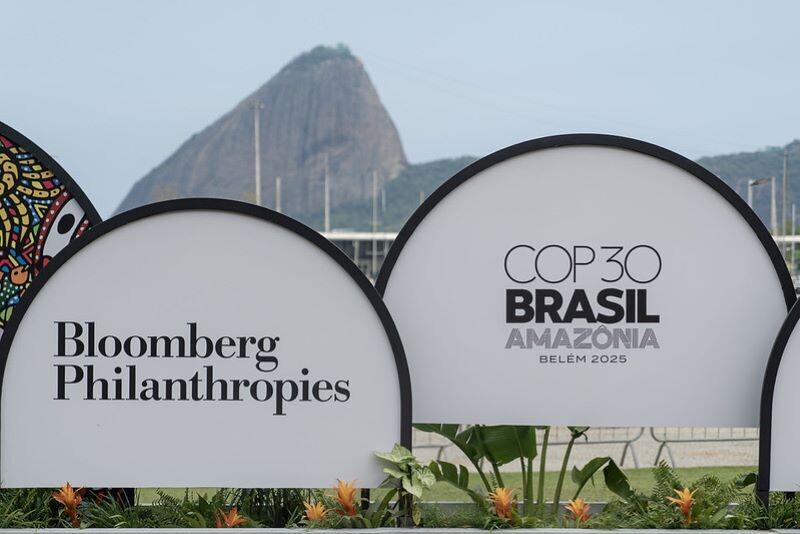
Panama is taking a different approach with the presentation of the Nature Pledge, a proposal that unifies these three dimensions into a single national strategy. In this framework, Panama reaffirmed its status as a carbon-neutral country and its commitment to achieve an additional 11% reduction in emissions by 2035. Méndez reported that the restoration of 100,000 hectares of priority ecosystems will be led, and financial flows are being aligned to direct at least 300 million dollars to integrated climate, nature, and land actions. Méndez recognized the historical contribution of Panama's indigenous peoples, who conserve 24% of the national territory and have acted as guardians of the forests, watersheds, and traditional knowledge that are essential today for sustainability and climate justice processes. Before international delegations, Panama stated that integration is a critical factor to achieve timely results. During his speech, Ambassador Méndez took a firm stance on the climate emergency, stating that “nature is not waiting, and Panama is not either.” Panama presented its Nature Pledge proposal, which seeks to unite climate action, biodiversity conservation, and land management under a single vision in the face of the imminent climate emergency. We have to work united and we have to act now.” Ambassador Panama explained that for decades, climate action, biodiversity conservation, and land management have been treated by the international community as separate issues, limiting results. In this sense, the country will advocate for three key points towards COP30: a single application and reporting format to facilitate access for developing countries to the main multilateral environmental funds; a Loss and Damage mechanism with efficient coordination; a Gender Action Plan with an intersectional approach that ensures the inclusion of all populations. Ambassador Flavio Méndez concluded his intervention with a call to action: “Nature cannot wait any longer. Additionally, the country recalled that it has already anticipatorily met the global 30×30 target, with 35% of its territory and 54% of its seas under protection.