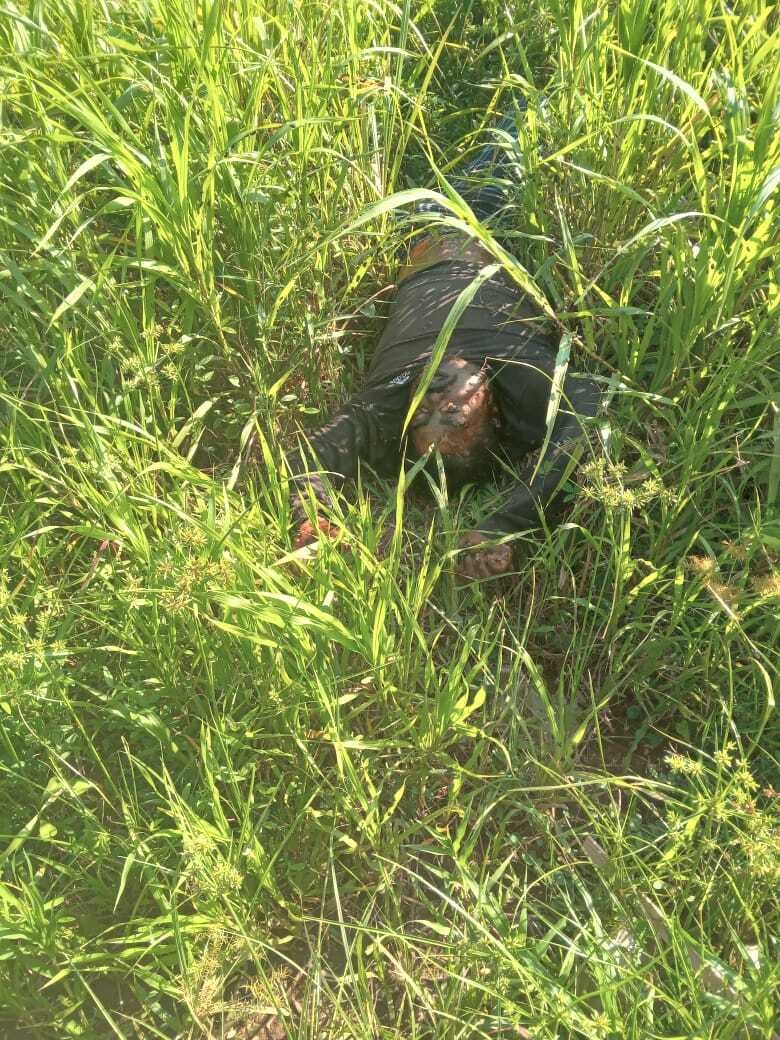
Sociologist Fernando Murray has issued a serious warning about a dangerous mutation of crime in Panama, stating that security policies need science, not improvisation. According to him, crime has already moved beyond 'red zones' and is operating where least expected, moving with surgical precision between spaces previously considered safe. Murray emphasized that the current crime in Panama is a multifaceted phenomenon that does not obey a single cause or type of actor. He also noted that not all crime is organized crime; there is an internal, 'creole' form of crime that is often more harmful to ordinary citizens due to its proximity. The sociologist also pointed out that thefts, robberies, and digital fraud are on the rise, and denying this growth creates a dangerous disconnect between statistics and people's real lives. Murray also highlighted the emergence of practices reminiscent of criminal dynamics seen in Mexico and Central America, such as leaving bodies in public as a warning. He also stressed that crime is linked not only to poverty but also to unemployment, lack of opportunities, dysfunctional families, and inequality. Murray also criticized the absence of a public policy on mental health, which he believes is linked to the rise in everyday violence. He also pointed to a historical pattern of low continuity in public policy, where 'everything restarts' every five years, and many officials come to strategic positions without the necessary training. Murray also noted that Panama lacks a modern victimological policy, and the population does not receive real tools to avoid becoming a victim of crime.
"The victim needs real guidance, not speeches". Murray left a reflection at the end of the year: "Security policies need science. Not improvisation. One must be educated, prepared, and build a criminological and citizen security policy worthy of the times." However, he insisted that the country requires a structural response, as the criminal law alone is not enough. "It is science, and it has been around for 50 years. We cannot continue to act as if it doesn't exist." Murray also highlighted recent advances, such as the registry of sex offenders and the proposal to regulate energy drinks for minors. "Crime has already moved beyond red zones and today operates where least expected, moving with surgical precision between spaces previously considered safe."