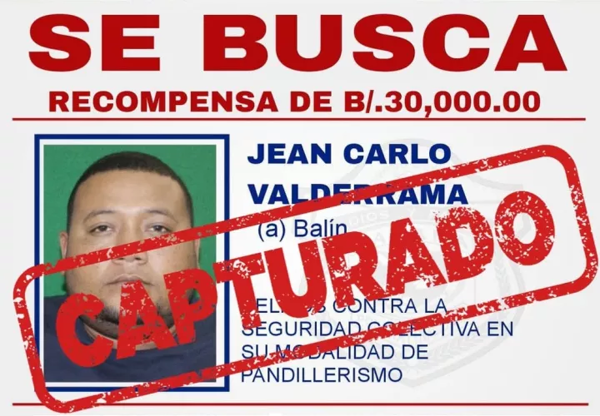
In Panama, juvenile violence is one of the main social problems. Key factors include inequality in education and opportunities, a lack of decent jobs, limited social inclusion, and the presence of gangs and organized crime. Weakness in prevention and social reintegration also exacerbates the situation.
Critical criminology questions the social, economic, and political structures that generate violence and crime. However, this limits the practical application of its knowledge and reduces its potential impact on society.
The Academic Social Criminological Observatory (OCAS) can contribute to solving the problem by designing programs to address the structural causes of violence (exclusion, inequality, unemployment), raising awareness and training vulnerable communities, and participating in the development of public strategies in justice and security.
To measure its effectiveness, OCAS can establish key performance indicators in areas such as prevention, education, public policy, and social reintegration.
Professionals must be capable of preventing, managing, and resolving conflicts; examining criminology and compliance; and adopting an ethical and interdisciplinary approach oriented towards peace and social justice.
Critical criminology in Panama faces a reality marked by high levels of violence and an alarming number of homicides—around 500 cases annually, mainly affecting young people aged 18 to 24. This phenomenon reflects deep social, educational, and economic inequalities, as well as the influence of gangs and organized crime.
The goal is to be "recognized nationally and internationally for our contribution to sustainable development, scientific production, and academic quality."
Thus, critical criminology has great potential in Panama, but it has not yet been fully valued either in the labor market or in public policy. The involvement of institutions like OCAS and the integration of criminologists into public policy are essential steps towards a more just and secure society.