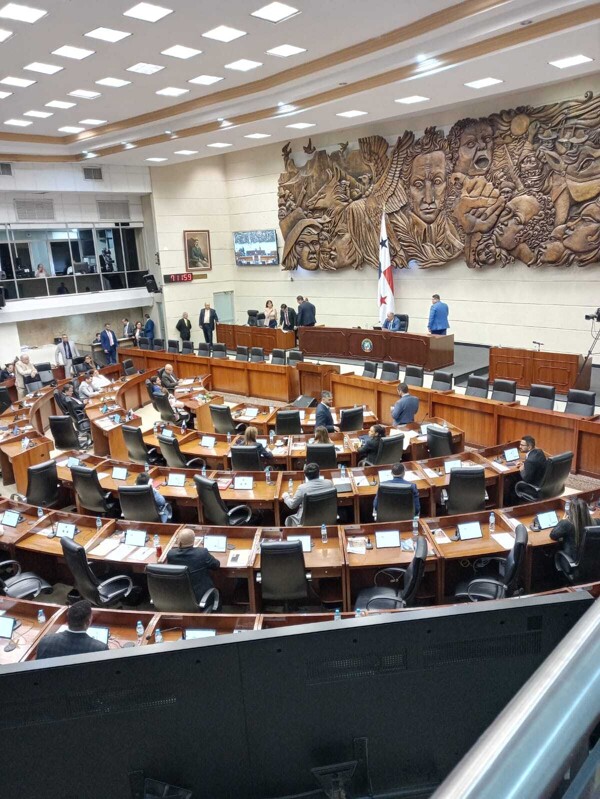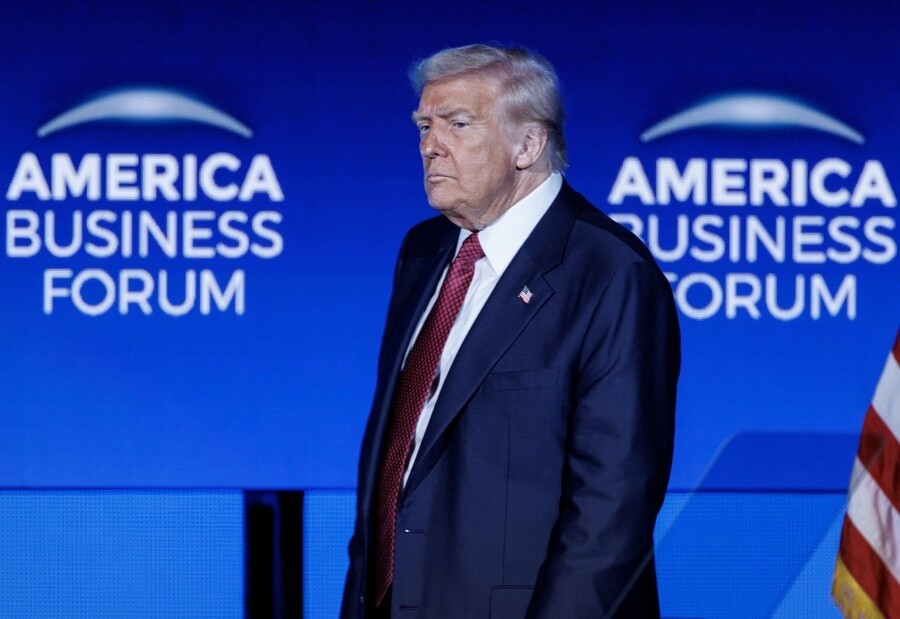
Panama is a pivotal point in geopolitical strategy, especially in light of Donald Trump's statements. An article published by the Spanish newspaper El Mundo on January 12th discusses the importance of the Panama Canal for the United States. In a historical context, it mentions that in 1941, U.S. troops stationed in the former Canal Zone conspired to overthrow President Arnulfo Arias, who opposed arming Panamanian-flagged merchant ships during World War II. Currently, Panama faces an issue: many tankers captured in international waters continue to fly its flag, raising questions about the reliability of the Panamanian shipping registry. Panamanian authorities and consulates are responsible for enforcing maritime laws, but history shows the Panamanian flag has not always been trustworthy. The article recalls cooperation in the fight against drug trafficking and questions how to mitigate U.S. aggressiveness. Following the successful military operation to capture Nicolás Maduro in Caracas on January 3rd, Panama has become an even more valuable economic and geostrategic target for the Trump administration. Panama is the largest financial center in the Western Hemisphere and a major maritime power. Despite the Panamanian flag being removed from over 600 ships, the country remains under the 'umbrella' of the Pentagon. Analysts emphasize that Panama is not just about its canal, ports, and geographical location, but a high-value economic target for U.S. interests.