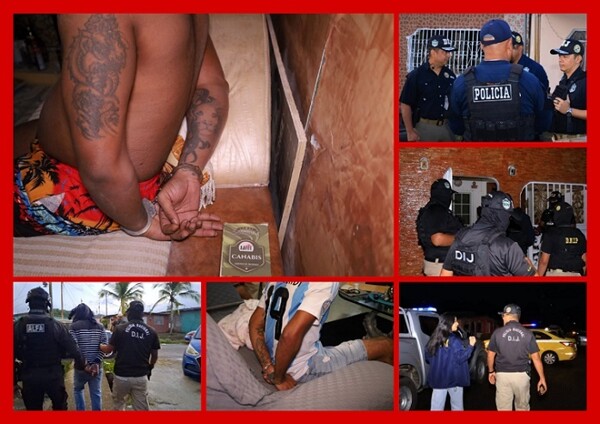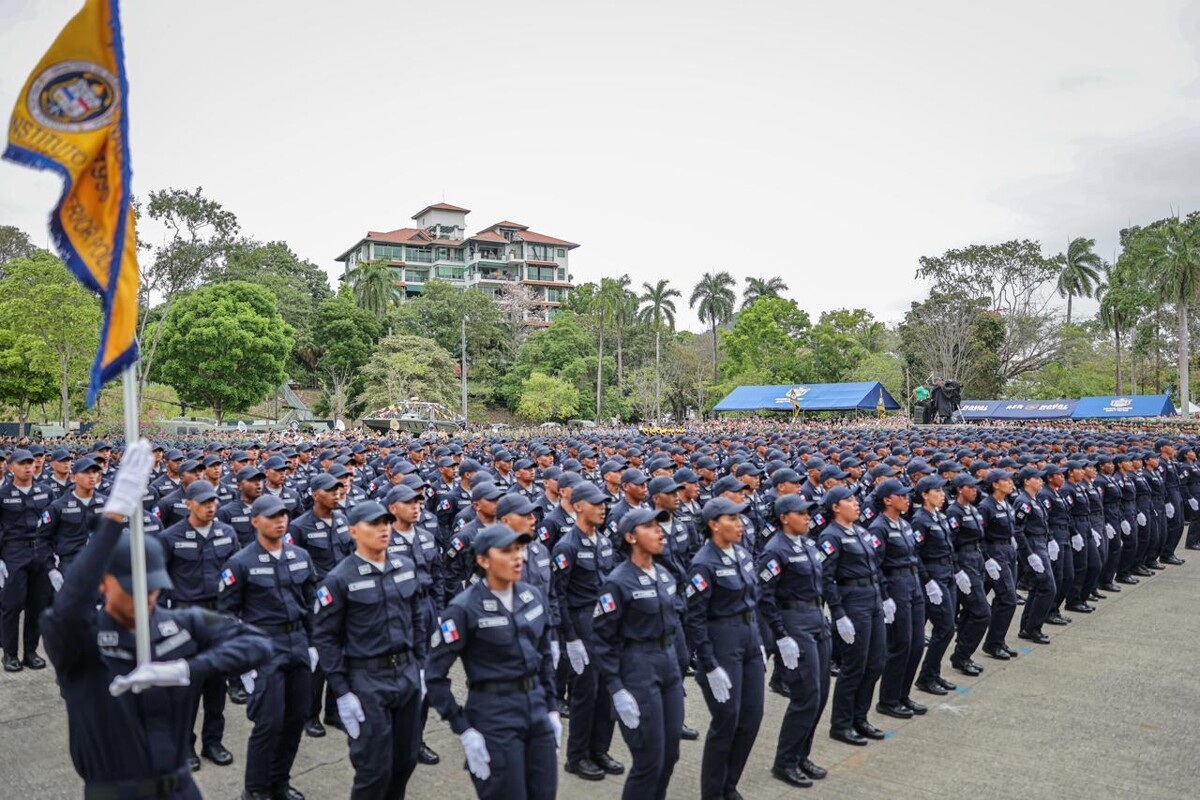
The head of the Panamanian Police, Jaime Fernández, expressed concern that justice may become more lenient with criminals than with their victims. In this situation, the police are calling on judges to show more sensitivity to public safety issues. "When a criminal is caught with clear evidence or is linked to organized crime, he cannot just walk free," the director warned. Regarding daily work, Fernández indicated that homicides have decreased by almost 30%, dropping to 44 so far this year, compared to 67 last year. However, there are cases of people who were under precautionary measures and later turn up dead or linked to new crimes. "This generates fear in the community because people feel that the police's efforts are lost when the judicial system loosens too much," Fernández admitted on TVN. The police chief noted that his institution does its job: it captures dangerous criminals, including gang leaders, but soon sees them walking the streets again, some under house arrest or with ankle bracelets, others directly reoffending. "There are cases that hurt," Fernández acknowledged. A nearly 29% reduction in robberies was also reported, the result of massive operations, intelligence, and raids in hot spots like San Miguelito, Colón, and East Panama. On the other hand, the police chief confirmed the deployment of more than 17,000 police officers nationwide. In the National Police, the discontent is not hidden. But when the process enters the Accusatory Penal System, the outcome is often not as expected. Investigations are carried out, arrests are made, everything is documented, and it is all handed over to the Public Ministry. There will be traffic and alcohol checkpoints, surveillance at pool parties, and reinforcements in red zones, where crime historically tries to sneak in among the festivities.