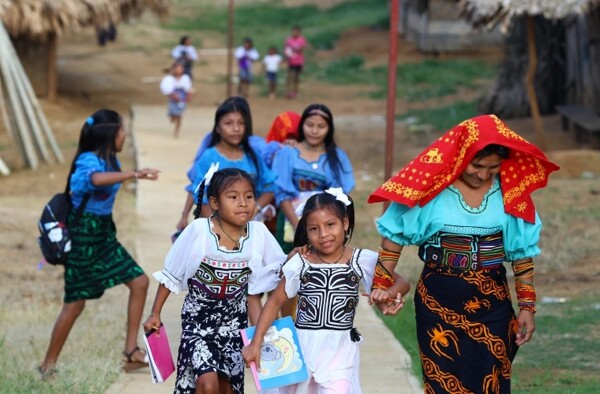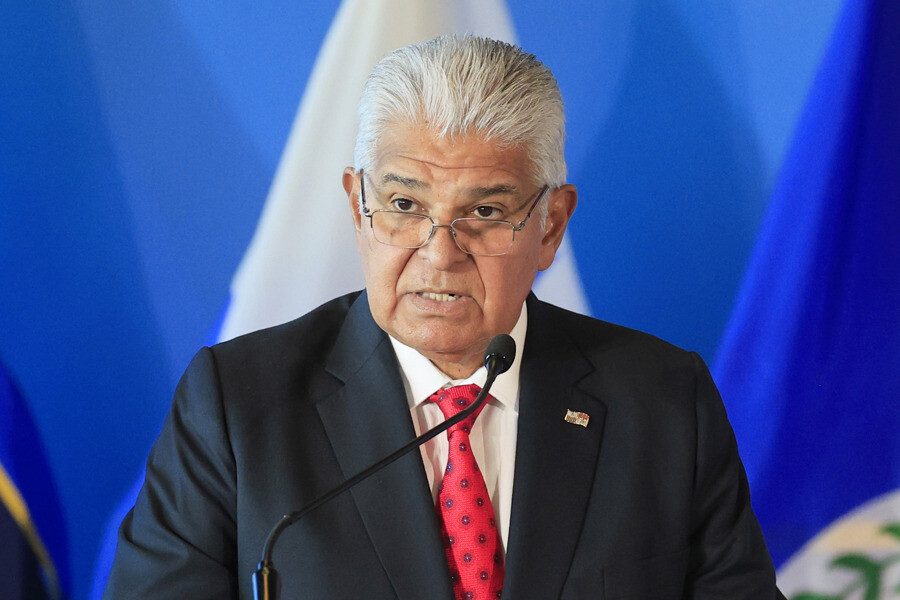
The President of the Republic, José Raúl Mulino, sanctioned a law that regulates foster care as a protection measure that guarantees the provisional care of children, children, and adolescents in a situation of vulnerability. The new regulation, which also bears the signature of the Minister of Social Development, Beatriz Carles de Arango, defines foster care as an exceptional and temporary measure aimed at minors whose rights have been threatened or violated, while a definitive solution to their situation is determined. According to the sanctioned text, the State assumes the responsibility of supervising and accompanying foster families, and ensures that the best interests of the minor prevail in each decision. 'When the network of protection and security of care in the community is strengthened, fewer girls and boys are neglected, abandoned, or placed in shelters,' said the minister. Until now, foster care in Panama was applied in a limited way and without specific regulation, a fact that generated legal gaps and difficulties in institutional coordination. With this sanction, Panama adopts a structured model that prioritizes the permanence of minors in safe family environments, avoiding as much as possible the so-called prolonged institutionalization. The law also establishes criteria for the selection, evaluation, and follow-up of families, as well as training and psychosocial support mechanisms. Minister Carles de Arango considered that this Law represents a historical step that modernizes public policy for child protection in Panama and opens the door to the birth of a solidary network of families willing to offer provisional care under state supervision. 'Panama is moving in the right direction with the sanction of this law,' reiterated the minister. 'The best way to serve this vulnerable population is to develop the capacities of families and communities for their care.'