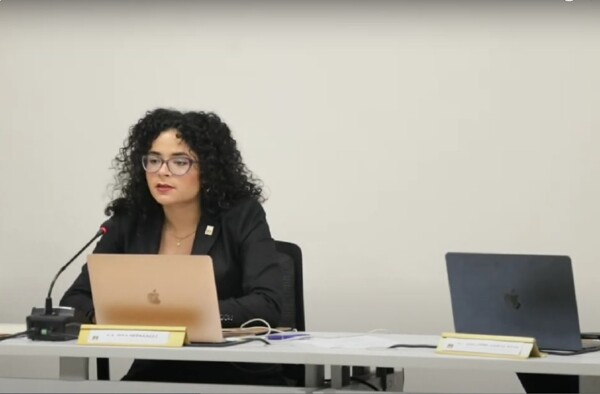
Banks, particularly the National Bank, are asking the President to repeal Bill 388 from the National Assembly. Panama’s National Bank opposes Bill 388, which would allow banks to recognize debts as time-barred. General Manager Javier Carrizo Esquivel called the initiative “infeasible and inconvenient,” stating it conflicts with the constitution and jeopardizes depositors’ funds. The idea is to prevent the client from incurring legal proceedings and becoming a victim of scams, harassment, and the sale of time-barred debts. No one is preventing banks from collecting as they should, but once debts are time-barred, they shouldn’t do what some are doing. They’re harassing people, selling time-barred debts, forcing citizens to go to court and spend all their legal fees and other expenses so that a judge can declare what the legislature has already determined is time-barred after three years. This is a relief we’re giving to citizens,” stated Representative Ernesto Cedeño. Debtors will be able to request the statute of limitations for their debts from banks, as established after three years, but directly from financial institutions in Panama; this is what Bill 388, approved by the National Assembly, seeks. Harassment by some debt collection agencies for time-barred debts is a headache for citizens. “When people can’t pay, they even hire law firms and debt collection agencies that relentlessly pursue these clients to the point that they feel pressured, cornered, and often even quit their jobs because of the way these companies harass debtors to pay a debt when the real idea is to seek advice and give them all the alternatives because there are many alternatives,” said economist Olmedo Estrada. In Panama, it is common practice for some banks and financial institutions to sell portfolios of overdue debts, including those that may be time-barred, to collection agencies or third parties. “Of course, the banking sector didn’t like it. The regulations aim to protect the financial consumer and facilitate the extinguishment of inactive obligations. They didn’t like it because, evidently, this motivates them to comply with the law, since that’s what harassment is. Now we wait for the president to approve it,” Cedeño added. But this was debated here; those of us who participated in the assembly discussed it and made the necessary adjustments for the benefit of the citizens.