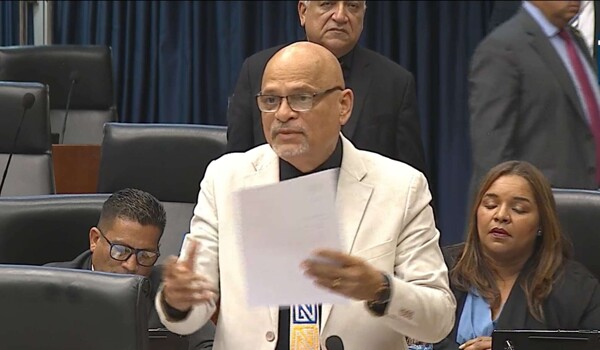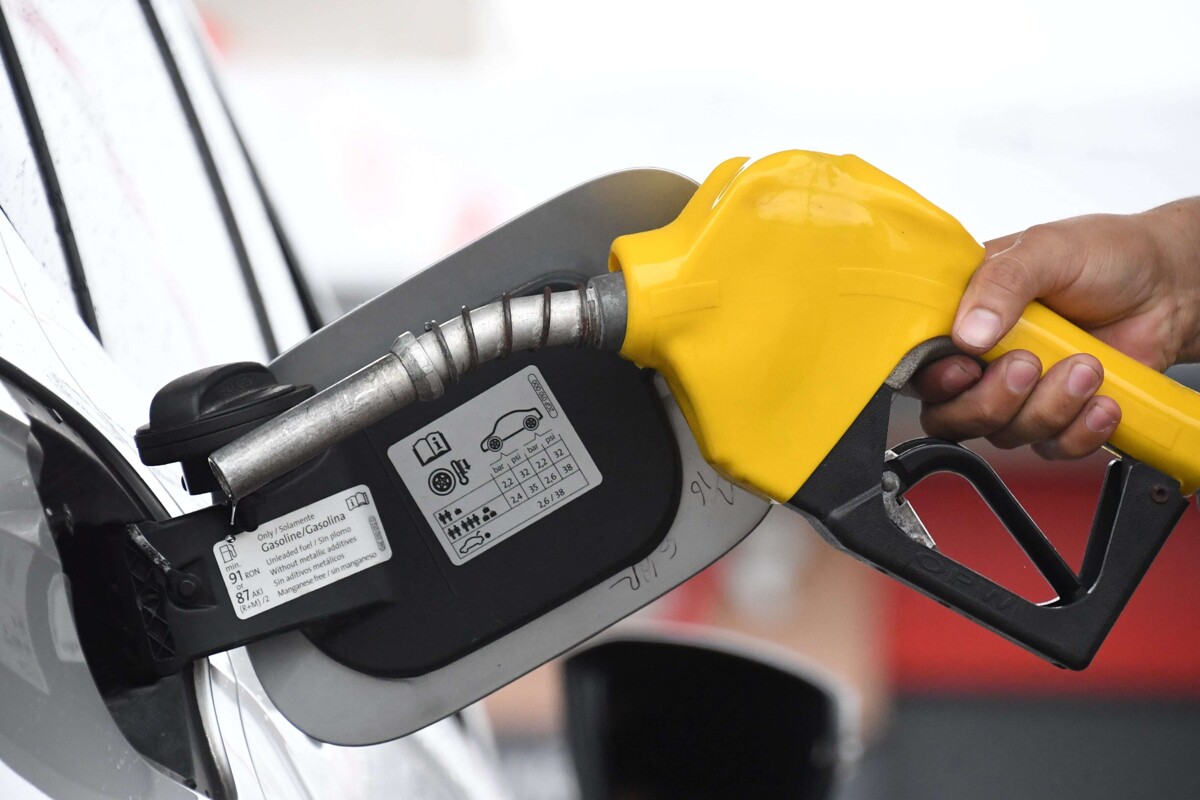
The mandatory use of bioethanol in Panama raises serious concerns, especially for tools and equipment. While ethanol has benefits, its use requires special care, particularly in a tropical climate. Bill 443, initiated by the government of José Raúl Mulino, is being discussed in the Commerce and Economic Affairs Committee of the National Assembly. The bill proposes the mandatory use of anhydrous bioethanol as an oxygenating additive at 10% for all gasoline blends. This will affect not only cars but also a wide range of equipment. The maintenance, gardening, agriculture, and construction sectors will use the new fuel blend from day one. Operators of trimmers, motorized sprayers, and portable generators will face the need to run on gasoline with 10% ethanol. So far, no proponent of the bill has given a clear answer on whether this equipment can withstand a 10% ethanol blend without losing performance, service life, or warranty. Deputy Alexandra Brenes noted that it's not just cars, but also work tools and boat motors that are affected. It is estimated that over 60,000 units of such equipment were sold in the country in 2025. Small boats operating with outboard motors will also be impacted. Panama does not produce ethanol, which creates a political and economic burden. It must be imported or purchased from national sugar mills, which will require significant investments of over $250 million for land acquisition and over $120 million for building plants. The government claims that ethanol reduces emissions, boosts the rural economy, and decreases dependence on fossil fuels. However, critics point to the marginal real environmental benefit of the E10 blend, potential price increases for consumers, and the country's logistical infrastructure's unpreparedness. There is also a lack of consensus on the mandatory nature of the bill. A 10% blend translates to a slight reduction, around 2%, in vehicle autonomy. For older cars, ethanol can more quickly degrade rubber seals and plastic hoses, as these materials were not designed to be alcohol-resistant. Furthermore, ethanol has less energy content than gasoline. It absorbs moisture from the air, which can lead to water accumulation in the tank if the vehicle remains unused for more than three months, posing a risk to engine operation. Deputy Ernesto Cedeño, the committee president, reported two clear stances: those who believe its use should not be mandatory, and the executive branch's position, which insists on the opposite. Last week, the bill was close to a vote, but a lack of quorum forced a postponement of the debate. The discussion will resume this Tuesday. If the bill passes in the first debate, the next step would be discussion in a second debate in the full legislative assembly, where all 71 deputies participate.