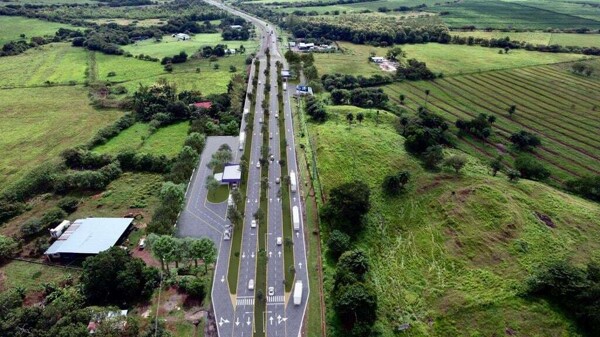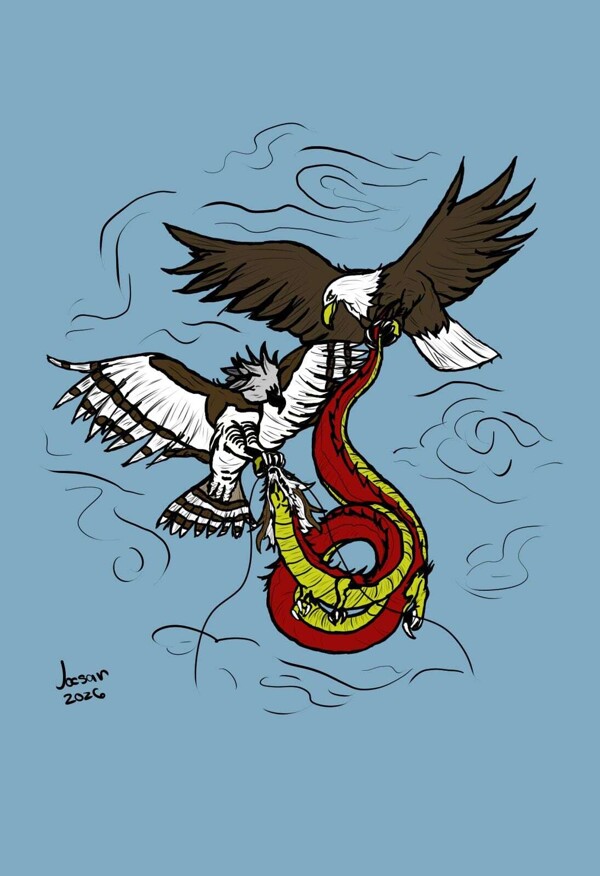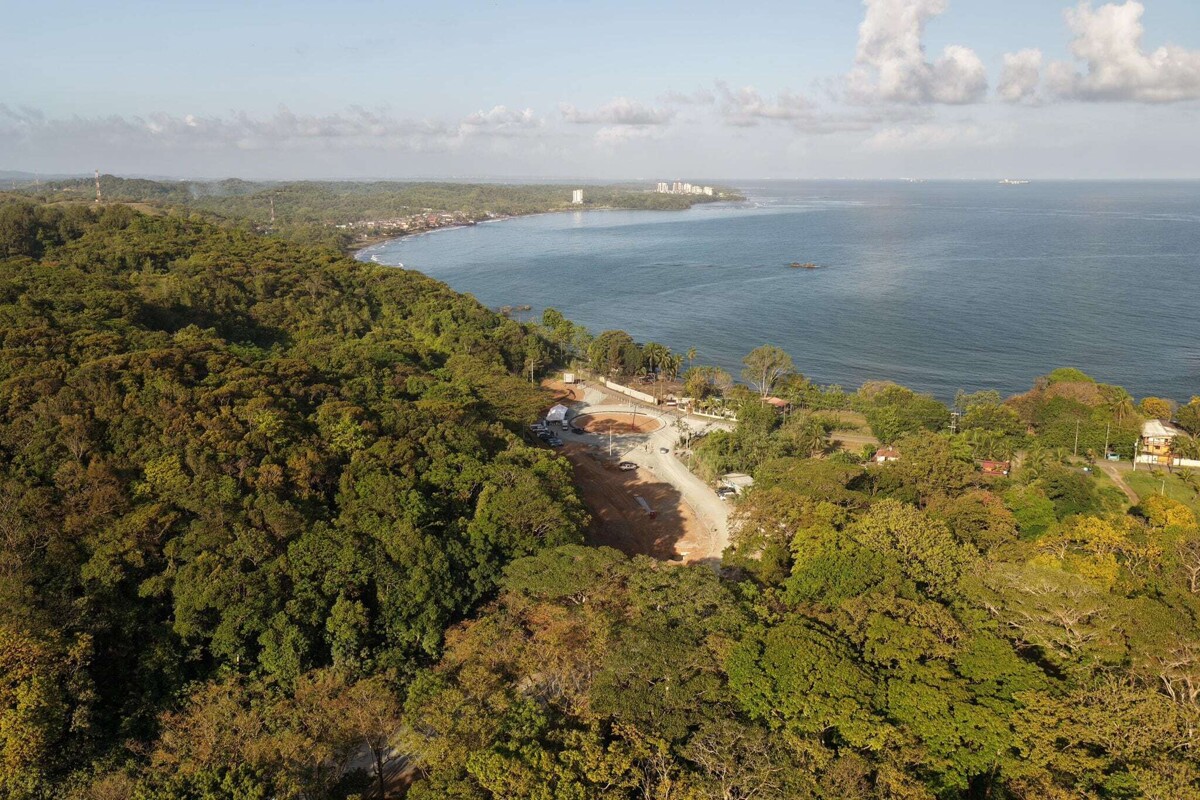
Panama has established the new Sierra Llorona National Park, which is now part of the National System of Protected Areas (SINAP). The park's management category has been set as a national park, in accordance with Panama's current environmental legislation. Among the objectives of the new park are the conservation of the biological wealth and ecosystems of the Filo de Santa Rita, the protection of lowland and submontane broadleaf forests, and the preservation of habitats for endemic, threatened, and migratory species. The decree also highlights the importance of ensuring the comprehensive management of water resources and the continuity of associated ecosystem services. Another central point of the regulation is to maintain ecological connectivity between Chagres National Park and Portobelo National Park, with the aim of facilitating the movement and population viability of emblematic species such as the jaguar and the Central American tapir. Furthermore, scientific research, ecological restoration, environmental education, and sustainable tourism are promoted for the benefit of communities and the country. The decree also includes mechanisms for citizen participation and the involvement of key territorial actors, with special attention to the indigenous peoples inhabiting the area. Activities incompatible with this management category will be prohibited within the limits of Sierra Llorona National Park, including logging, clearing, burning, and removal of vegetation without authorization; hunting, capturing, or commercializing wildlife; extracting flora and genetic resources without permission; altering the courses, sources, streams, rivers, or wetlands, and establishing new human settlements or illegal occupations. On social media, the Ministry of the Environment highlighted that Sierra Llorona plays a key role as a biological corridor, connecting ecosystems between Chagres and Portobelo. The Sierra Llorona National Park, located in the province of Colón, was officially created after the publication in the Official Gazette of Executive Decree No. 1 from the Ministry of the Environment, dated March 23, 2026. The ministry also emphasized that this natural refuge is home to species such as the collared peccary and the white-lipped peccary, and there are records of jaguar and harpy eagle, which reinforces its environmental value.