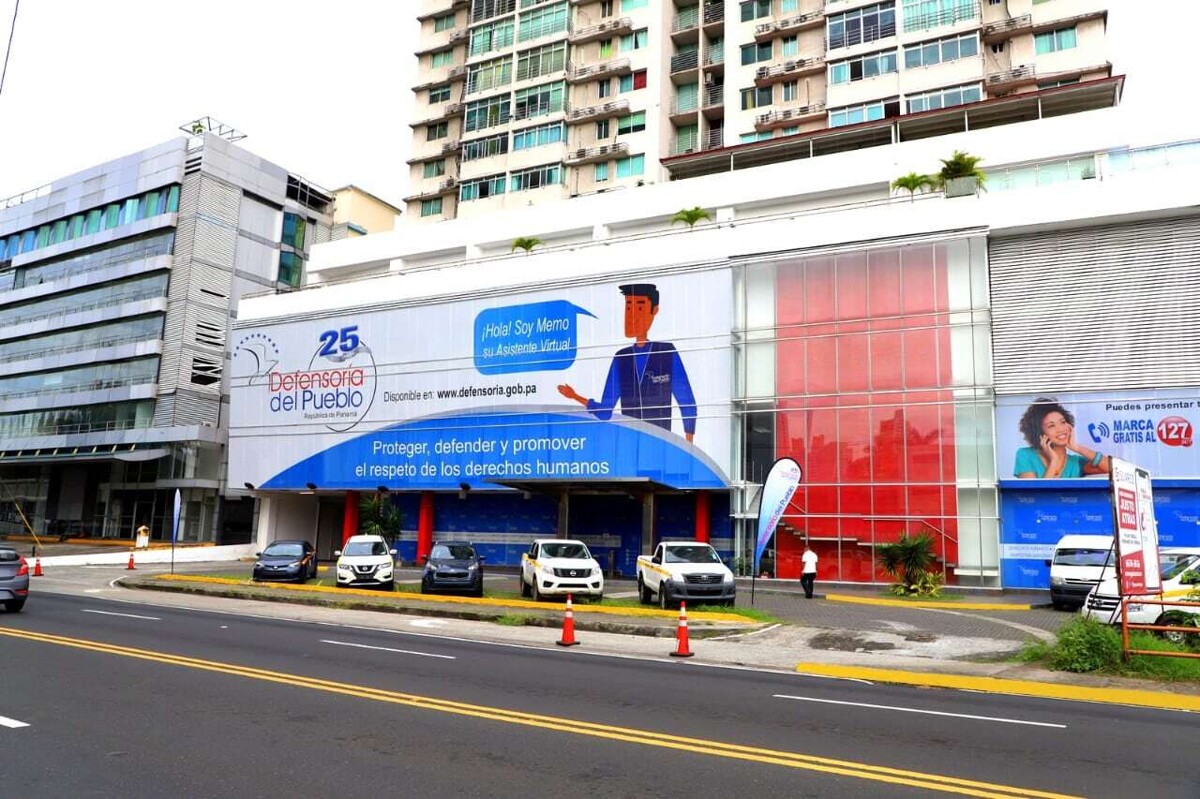
The term "Ombudsman" is on the public agenda. Although recent initiatives have been proposed to restore this position, they have not been successful, keeping the debate open about state investment in the defense of human rights. The selection of the Ombudsman falls to the National Assembly through a process of nomination and public interviews. According to human rights activists, this issue embodies the need for deputies to prioritize a technical, independent profile with social sensitivity over partisan interests. The Ombudsman can issue official recommendations—which imply a duty for authorities to consider them—to correct flaws, respect citizens, and promote a culture of peace. However, the role of the Ombudsman should not be limited to the role; it must be translated into concrete actions. For civil society, these concrete actions have precise roles, and so far, they have been systematically ignored. Magaly Castillo, a lawyer and human rights defender, recalls that the Ombudsman's office ceased to be a space for meeting with the public and became a bureaucratic apparatus, as it receives complaints, opens files but does not respond. According to her diagnosis, the institution lacks consultation mechanisms with organizations and human rights defenders, which makes it, she said, "an empty entity." How much does an ombudsman earn? According to the central government payroll, Eduardo Leblanc González, whose term in the position expired last March 31, earned a base salary of $3,500 plus $3,500 in representation expenses, for a total of $7,000 monthly. This amount corresponds to a cut approved by the National Assembly in 2005, which reduced the original salary of $10,000. This includes the rights enshrined in the Constitution, national laws, and international agreements signed by Panama, such as human rights treaties. In essence, it is about ensuring that the rules of the rule of law are complied with. Although it has no power to condemn or act as a judge, it does have the ability to investigate and draw attention to institutions. For several weeks, the question of who would be the next head of the position remained on the table. That doubt was cleared up on Wednesday night when 37 deputies of the National Assembly elected Ángela Russo, former magistrate of the Supreme Court of Justice. However, despite much being said about the issue, the question arises: what is the function of an ombudsman? Theory indicates that its main function is to ensure that no one violates the human rights of Panamanians.