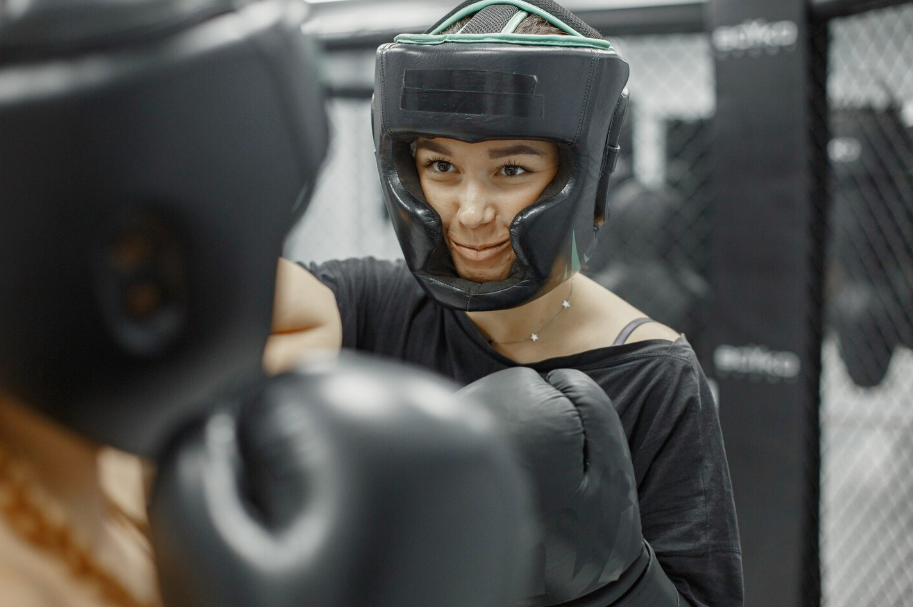
The rise of mixed martial arts (MMA) in Asia has become a noticeable phenomenon that cannot be ignored. New heroes are emerging on local stages, watched by audiences worldwide. Behind this rise are local fighters who encourage expansion into new regions across the continent. The factors driving MMA's steady growth in Asia are as follows:
Cultural familiarity with combat sports: Many Asian countries already love striking-based sports such as Muay Thai, sanda, and karate.
Streaming-first viewing habits: Mobile-first fans in Asia are ready to follow events live on YouTube, TikTok, or other apps.
Investment in local promotions: From Brave CF to Road FC, smaller promotions are building grassroots movements regionally.
Government support: Countries like Singapore support MMA events through funding and infrastructure agreements.
Every year, more regions join this scene, and both fighters and fans are turning local gyms into serious talent pools.
How do infrastructure and policies pave the way?
The rise of MMA in Asia is not just a trend; it is based on solid foundations. Across Asia, mixed martial arts is changing the way people watch fights—not only by winning new audiences, but by reshaping attention itself. This strengthens regional identity and builds fan loyalty more quickly.
Asia's own MMA identities are emerging
This isn't just "UFC lite." Asian MMA has a different tempo and style. While the UFC continues to be a global giant, Asia is creating its own version of MMA, and this version is becoming a separate category.
Fan base: Digital-first, young, and always watching
Some people across Asia are diving deep into MMA without wearing gloves. Not foreign fighters, but local fighters who shine in the arenas where they were raised. They never stay silent, never slow down; emotions are high.
More MMA events in Asia
Fights are becoming more frequent here. Names like Filipino stars or Thai fighters with powerful punches now feature in main events. Local gyms attract more students, brands invest in sponsorships, and fighters become recognized names in their hometowns.
However, with elite coaches now available in Seoul, Bangkok, and Jakarta, fighters are continuing to climb the rankings while staying put. This also sustains the flow of money within regional ecosystems. Combined with new training centers, these steps help fighters develop professionally without leaving the region.
Staying home yet rising
More Asian fighters are now choosing to train and stay in their own countries rather than moving to the US or Brazil. We also see specially designed hybrid fights aimed at generating viral buzz—like Muay Thai fights with 4-ounce gloves or matches with special rules. These differences appeal equally to fight purists and new fans.
Millions of people. Where growth occurs: The key factors triggering the boom
Asia's rise in MMA is no coincidence. In Bangkok, crowds are filling stadiums; knockout moments in Manila go viral online; Singapore hosts back-to-back events with full rosters. After watching ONE matches, people in India join Reddit chats to praise Japanese fighters. Many fans connect to live streams using the Melbet AZ yukle option to follow the fights. Local heroes are rising in their own countries' tournaments instead of waiting for approval from abroad. The rising stars are just as important—figures like those in ONE Championship who shift the focus and create stories beyond the fight itself. Rules are quietly changing under Asia's influence, reshaping the course of the game, who will profit, and the meaning of loyalty within the cage.
The movement is growing as athletes rise, organizations adapt, and streaming platforms expand their reach. Watching TikTok videos brings them even closer to the pulse of the sport. They take center stage in matches near their hometowns, not in Las Vegas or Abu Dhabi. Social media videos, especially when the moves feel foreign to Western viewers, are watched millions of times. Crowds are turning to new methods to get closer to the action. How do fighters of different weights perform against each other? Local commissions in countries like South Korea and the Philippines now license fights transparently. Late at night, group chats discuss weight classes and fighting tactics. Crystal clear. Now every match is broadcast on screens. Thanks to rule differences in organizations like ONE, more fights end with knee strikes or spinning elbows. This crowd learned the internet at a young age, stays constantly connected, and reacts even when there's no live broadcast. The athletes' stories? When a well-known name emerges victorious, the sold-out crowd cheers even louder. Lives shaped by morning rituals in quiet temples or divided between office desks and training sessions instantly grab attention online. While governments such as Singapore's fund major events to boost tourism, platforms like Melbet AZ also contribute to the region's interest. The cheers echoing in their native languages for the heroes quickly deepen the bonds. The truth is, the octagon ring doesn't tell the whole story. This is a recent shift. The convergence of accessibility, culture, and technology helped spark a lasting wave of interest. People feel it. Well known.