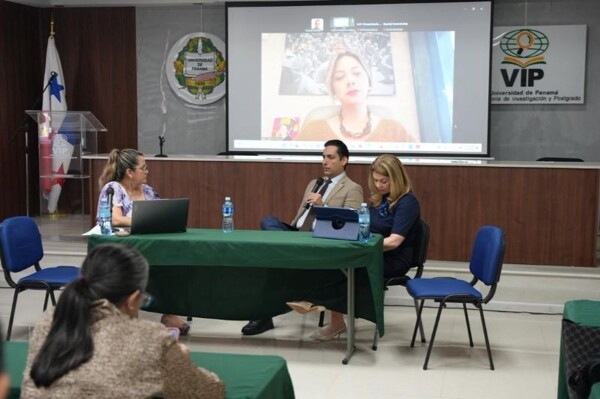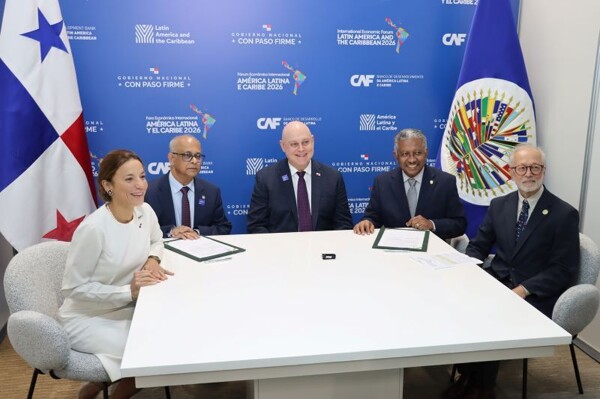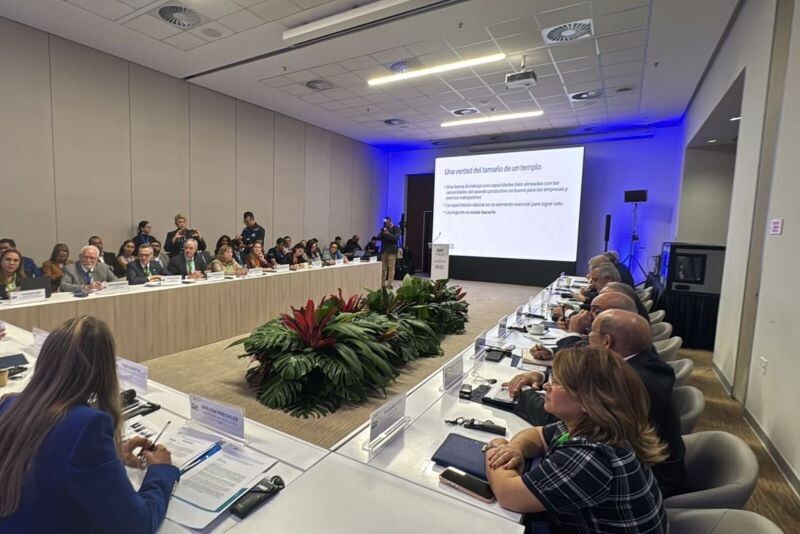
In the search for solutions to the productivity challenges facing Latin America, the president of the Private Sector Council for Educational Assistance (CoSPAE), Carmen Sealy de Broce, participated in the regional roundtable 'Productive Boost: Vocational training to boost competitiveness and development in Latin America and the Caribbean'. In this context, she proposed to strengthen technical training and the dual education model as the most effective tools to meet the current demands of a globalized and demanding economy. A key point addressed at the meeting was the need for active business participation in the creation of educational curricula. Sealy de Broce defined CoSPAE as the educational arm of Panama's business guilds, emphasizing that its main mission is to bridge the gap between the skills demanded by the market and existing educational programs. According to CoSPAE, the definition of skills and training support should not fall solely on academic institutions; the triad of company, academia, and public sector is essential to generate real employment opportunities, with a special emphasis on the youth population. The president also highlighted that the relevance of instruction is a determining factor to achieve effective labor insertion and raise the country's competitiveness standards. Although she acknowledged the importance of structural educational reforms, Sealy de Broce called for the implementation of solutions with an immediate impact. 'During the event, the need to close skills gaps through technical and dual training aligned with the private sector was highlighted.'