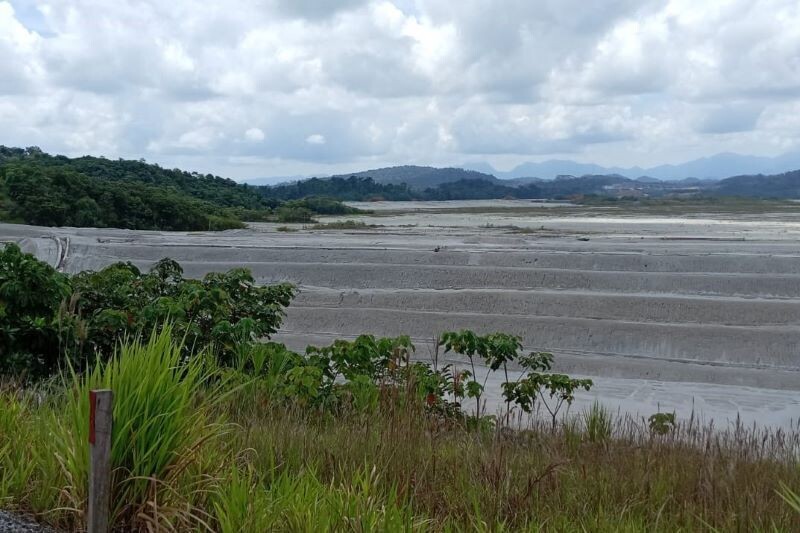
The Panamanian Mining Chamber (CAMIPA) expressed its support for the decision of the Executive Branch, carried out through the Ministry of Commerce and Industry (MICI), to authorize the processing of low-grade mineralized material stored in the stockpile of the Cobre Panamá project.
This measure also aims to contribute to the recovery of the nation's exports, a sector where mining activity has historically represented between 75% and 78% of total exports. Severo Sousa, as President of the CAMIPA Board of Directors, emphasized that these actions send a positive signal to the national industry and local and international investors, as long as they are maintained within legal security frameworks and clear rules.
Principles of supervision and governance The Panamanian Mining Chamber reiterated that the management of this project must be based on technical rigor and constant environmental supervision.
This measure is part of the activities corresponding to the Plan for Preservation and Safe Management (PGS) previously approved for the mining site. According to the guild, the approval is an environmental management action that allows the transformation of a potential liability into economic value, reducing the risks associated with the prolonged storage of this material.
Contributions to the treasury and national exports The decision involves the generation of immediate tax revenues for the State. The organization considers this step to be technical, responsible, and consistent with international standards.
Economic and labor impact of processing The reactivation of this phase of the project implies a tangible impact on the Panamanian labor market. According to estimates, the company responsible for Cobre Panamá is generating 1,000 new direct jobs, while the supplier network is projected to create approximately 3,000 additional job positions.
This move seeks to boost more than 2,000 supplier companies and micro, small, and medium-sized enterprises (MSMEs) that make up the mine's supply ecosystem, positively impacting the economies of the country's interior.
The guild underscores the importance of maintaining transparency, access to information, and building a social license based on verifiable facts by the citizenry.
Finally, CAMIPA reaffirmed its willingness to collaborate with authorities, academic sectors, and civil society, ensuring that every phase of the process meets high standards of governance and environmental protection.