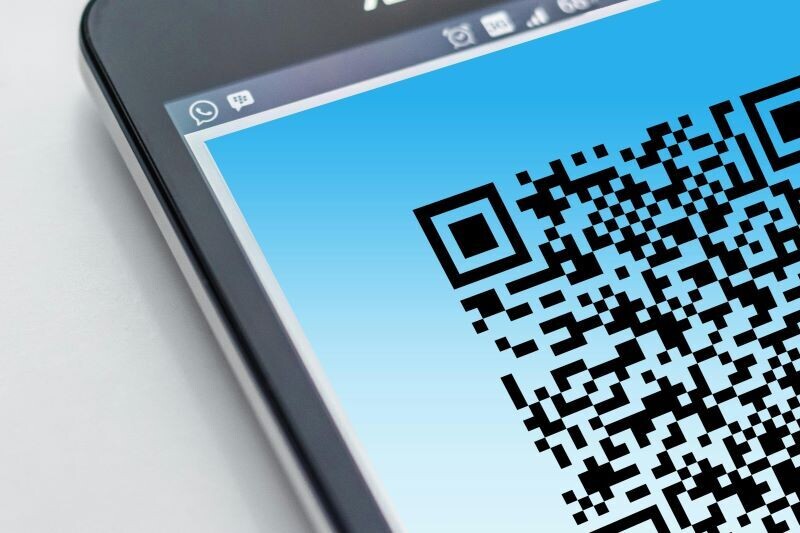
Experts at Kaspersky have identified a significant increase in the use of malicious QR codes within phishing emails. This technique exposes organizations to credential theft and security breaches. According to analyst Leandro Cuozzo, the effectiveness lies in the fact that the security decision rests entirely with the employee, who often scans the codes automatically and outside the protected corporate email environment. Cuozzo warns that without advanced image analysis and better user practices, companies face financial losses and reputational damage. Researchers note that these fraudulent codes are inserted directly into the body of the email or hidden within attached PDF files. Once scanned, the links can redirect victims to fake Microsoft portals or corporate intranets, aiming to steal usernames and passwords. Campaigns using fake Human Resources notifications about vacation schedules or staff lists, as well as fraudulent invoices employing vishing (voice phishing) tactics, have also been detected. To mitigate this threat, specialists recommend continuous training for employees to identify suspicious emails and understand the risks of scanning unknown codes. It is also crucial to implement multi-factor authentication, strict access controls, and use specialized email protection solutions capable of blocking spam, BEC attacks, and threats transmitted via images.