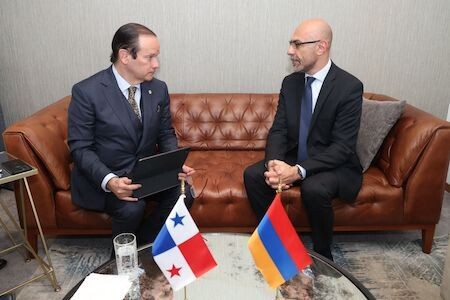
Panama's Gambling Control Commission (JCJ) announced plans to repeal the 5.5% tax on gambling winnings. This tax was levied not only on net winnings but also on the stake amount, and was introduced in 2015 under the previous government. The JCJ calls this payment controversial and acknowledges that market dissatisfaction had been building around it for a long time. According to the regulator's assessment, the tax may have created a barrier effect, especially for visiting players and tourist venues. Casinos and other legal venues in the country are often perceived as part of the tourism product alongside hotels and entertainment, and any additional tax burden makes the offering less competitive compared with neighboring destinations. The JCJ expects that repealing the tax will help attract more foreign players. At the same time, the JCJ did not disclose whether a separate parliamentary decision will be required, what the timeline for the transition period will be, and which rules will apply to winnings already paid out if the repeal takes effect in the middle of the reporting period. Simultaneously with announcing the repeal of the tax, the regulator stated that it would introduce a new electronic audit system. Formally, the tax was conceived as a source of budget replenishment; however, in practice, according to the regulator's assessment, it may have created a barrier effect, especially for visiting players and tourist venues. The regulator links the upcoming changes to the objectives of the tourism sector. Tourists see casinos as part of Panama's unique charm. They come to land-based casinos mainly for traditional entertainment and the atmosphere. Reducing the tax burden, in lawmakers' view, will make that charm even more apparent. At the center of the discussion is the 5.5% tax that was charged on winnings and included the stake amount. This tax previously drew sharp criticism from representatives of the gambling business. The industry Association of Gambling Operators (CCIAP) sought a presidential veto of the bill when the rule was introduced, believing that the tax framework would worsen the economics of legal venues and push some demand into the shadow market. The JCJ cites an indicator of collection dynamics. In the first eight months of 2019, PAB50.8m was collected, which is 33.2% lower than PAB76.1m for the same period in 2018. This decline may reflect a drop in turnover, a shift of players to other jurisdictions, or the tax's own effect on customer behavior, but the figures may also be influenced by changes in oversight, seasonality, and the broader economic environment, which the statement does not mention. JCJ Secretary Manuel Sanchez stated that the package of measures should simultaneously increase revenues and support a responsible attitude toward gambling. Responsible gambling is usually understood as a set of practices that reduce the risk of gambling addiction and financial harm, for example limits, self-exclusion, and risk awareness. Sanchez frames the approach as an attempt to ensure that the industry has a positive impact on the country's economy. On the one hand, reducing the controversial tax may boost turnover in the legal sector. On the other hand, stronger oversight and a rise in the number of audits can make the market more transparent, but if rules are applied strictly, they may be perceived by operators as pressure, especially if the audit criteria are not fully clear. The regulator plans to hire additional auditors. Here, 'audit' refers to oversight of the financial and operational data of gaming venues for the correct calculation of mandatory payments and to reduce the share of unrecorded transactions. This process coincided with accelerating digitalization and a growing number of smartphone users. In recent years, the iGaming segment has seen rapid growth in Panama. Statistics show that the number of people looking for 'andar bahar game download' keeps rising. Most players in the online segment play via mobile apps. Most often, separate mobile apps are developed for popular new releases—these are crash games, Plinko, and card entertainment such as Andar Bahar. These figures can be interpreted in different ways. They indicate that players are increasingly interested in new releases rather than more familiar gambling games. However, they come to land-based casinos mainly for traditional entertainment and the atmosphere. Reducing the tax burden, in lawmakers' view, will make that charm even more apparent. Repealing the tax on winnings will give land-based casinos an advantage over online platforms. In the iGaming segment, more than half of players play via mobile apps. This includes not only casino software overall, but also software for specific games. The statement does not specify which segments will have the greatest effect, for example land-based casinos in cities, resort complexes, or organized tours. In a related update, the JCJ reports that Manuel Sanchez met last week with Luis Calvo Reyes, head of the Mexican regulator Juegos y Sorteos. The topic was regulatory approaches to gambling, including taxation issues, in both countries. Such a dialogue usually means sharing best practices on licensing, payment oversight, and combating the illegal market. In Panama's case, this may be especially relevant against the backdrop of the stated course toward repealing one levy while simultaneously strengthening oversight tools, where neighbors' experience can suggest which models deliver improved collection rates without placing an excessive burden on legal operators.