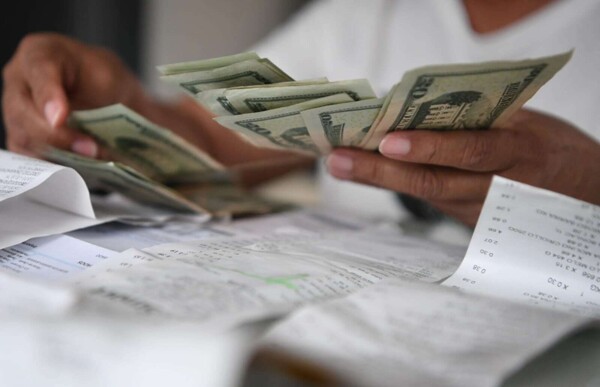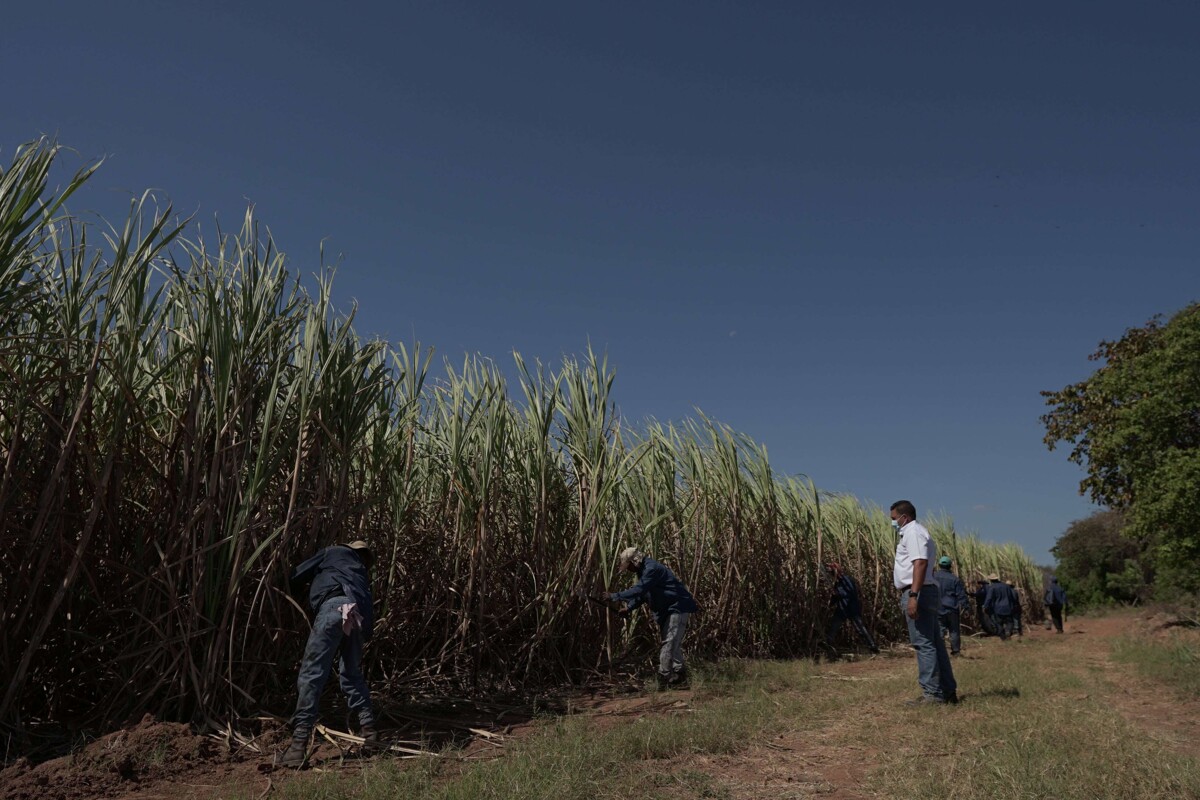
Panama's Biofuel Initiative: Financial Savings and Economic Security. With global oil prices hovering at $100 per barrel and a 100% dependency on imported derivatives, Panama is seeking energy independence. Bioethanol offers a financially advantageous alternative, allowing vehicle owners to save between 18% and 25% on fuel costs. The key to success lies in maintaining the correct price ratio: bioethanol must cost at least 27% less than gasoline at the pump. To prevent a monopoly from forming in the hands of a few local sugar mills, the law must include strong antitrust clauses, capping any single economic group's market share at 25%. Panama can leverage the experience of its strategic partner in Mercosur, Brazil, where 80% of the vehicle fleet successfully uses Flex-Fuel technology. It is crucial for the National Energy Secretariat (SNE) to enforce strict quality control, ensuring the ethanol is anhydrous (water-free). This will prevent engine wear in Panama's humid climate and provide the cleaning benefits of a high-octane fuel without fossil residues. The country has significant potential for sugar production and can revive its moribund corn industry, turning underutilized land into wellsprings of renewable energy.