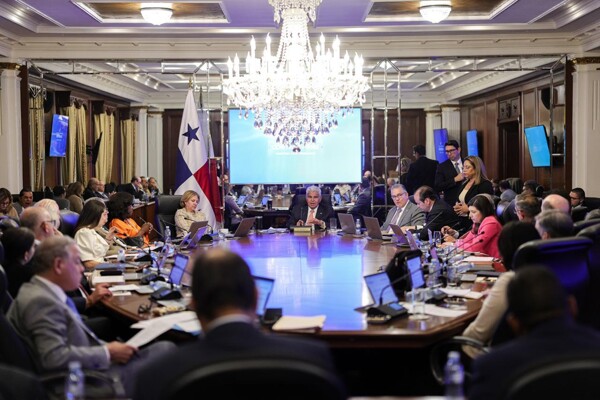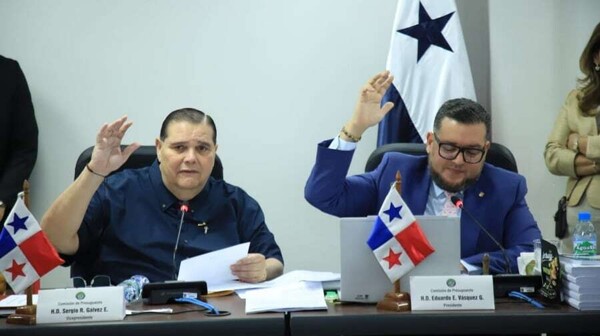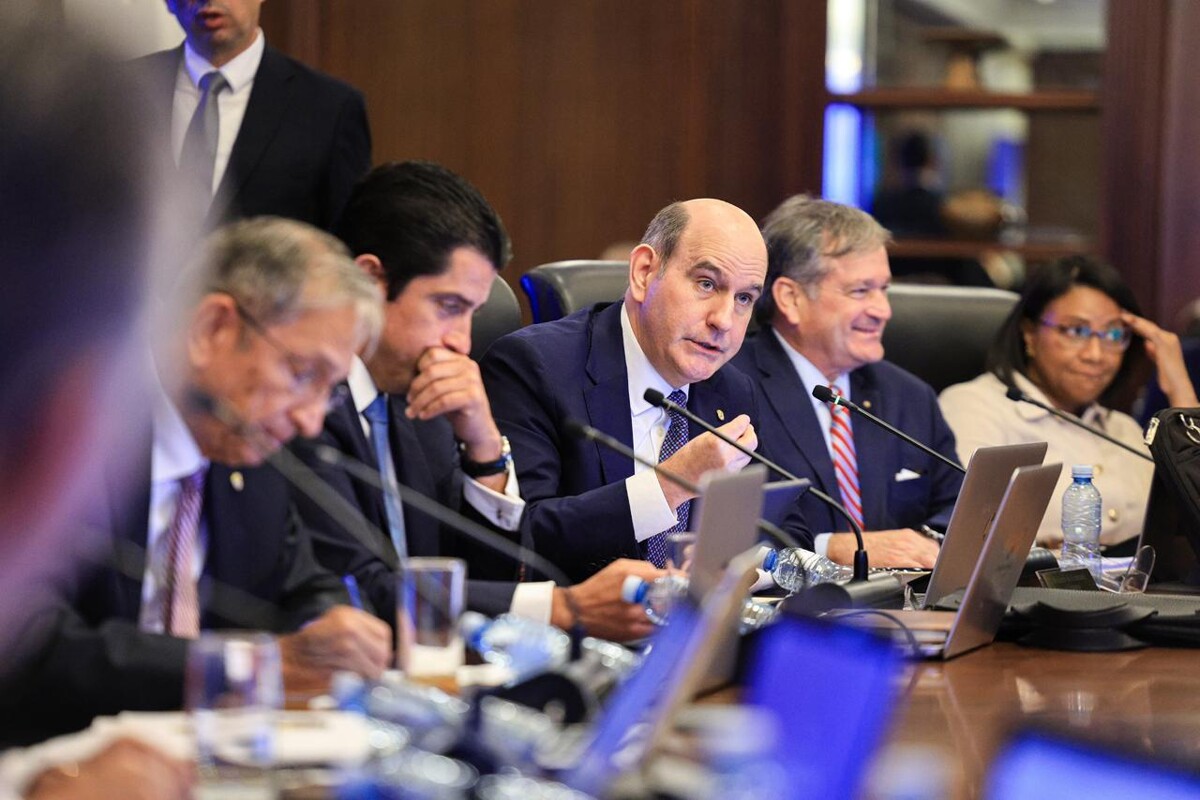
The Panamanian government is implementing measures to mitigate the impact of the energy crisis on daily life. Minister of Economy and Finance Felipe Chapman explained that electricity tariffs will remain stable, and the gas subsidy will be set at 25 pounds. He stated that the government has been closely monitoring the energy market and, despite price hikes, has chosen to maintain these subsidies to avoid further economic pressure on the population.
Additionally, the creation of a high-level commission was announced to oversee the crisis and propose measures to reduce its impact. The idea is to listen to the commission's proposals and integrate them into a plan to be unveiled in the coming days, while the strategy's details are being finalized.
The minister said that fuel prices will be under constant review and did not rule out new measures if the situation worsens, such as adjusting work hours, promoting telework, or even using accumulated vacation time to reduce mobility.
The government announced today that fares for the Metro and MetroBus will not increase, amidst a rise in oil prices due to the Middle East crisis. This commission will include several state entities, including key ministries and the Comptroller's Office, along with consultations with bodies like the National Energy Secretariat, ASEP, Acodeco, and AIG.
The executive branch also announced actions to prevent speculation in food and reduce the impact on freight transport, as well as measures to control the cost of fertilizers. It was acknowledged that the state will have to reallocate resources to sustain these subsidies and prevent fare hikes. A meeting with transport guilds is scheduled for this Wednesday.