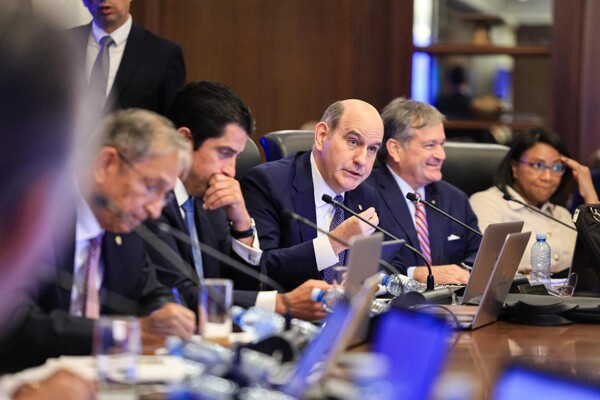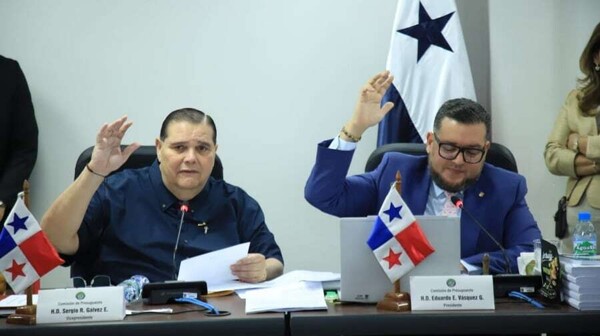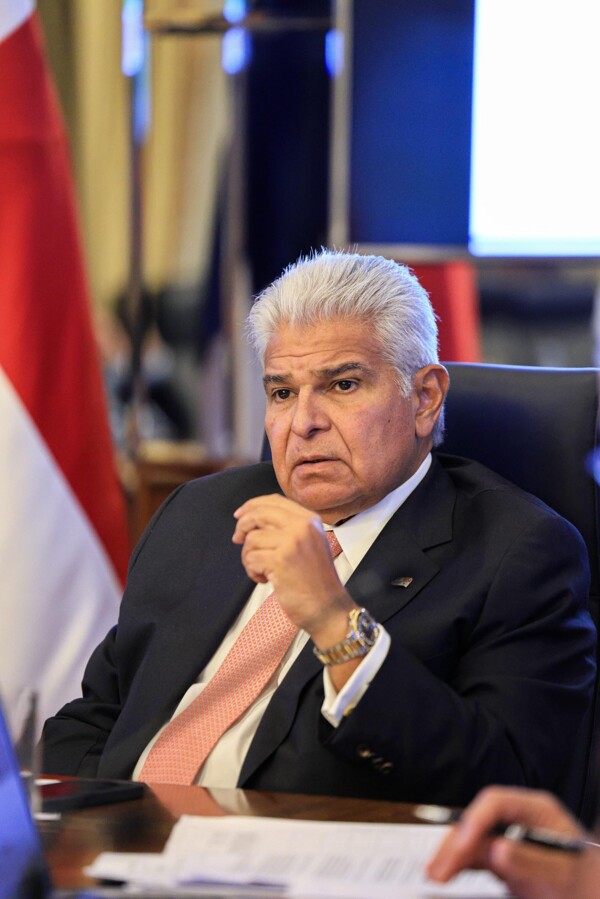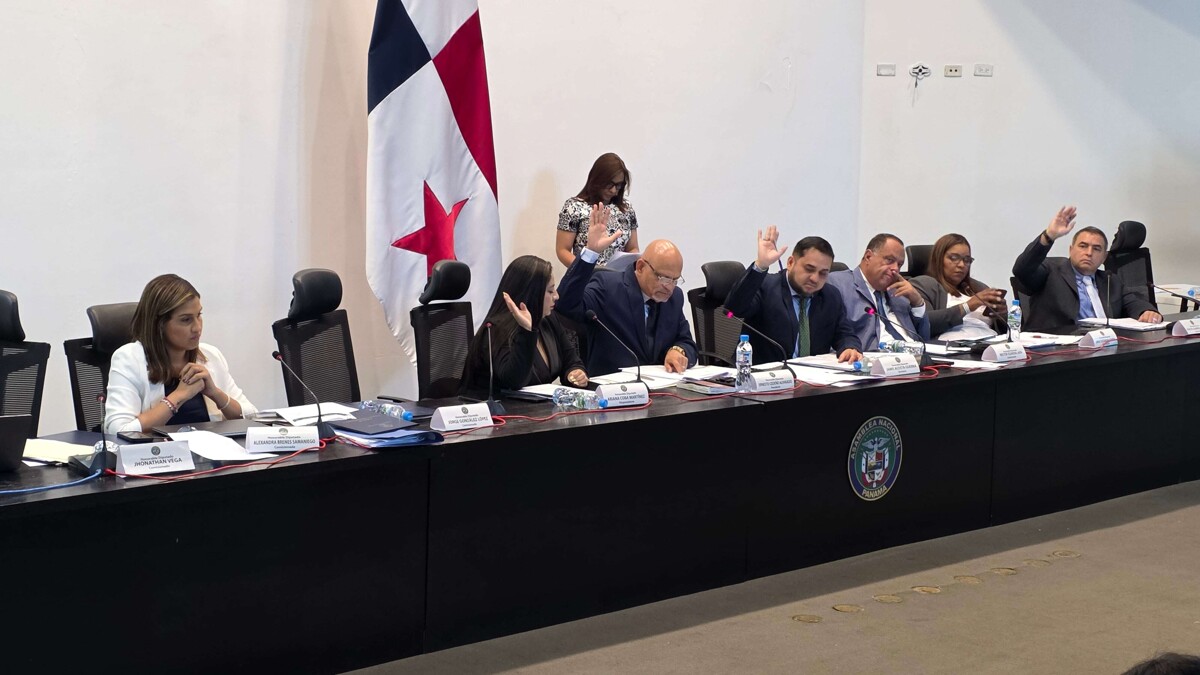
On Tuesday, when the project was approved in first debate, presidential advisor Jorge Ricardo Fábrega was in the front row. ‘It’s a business,’ said Deputy Jhonathan Vega to La Prensa once the proposal passed the first filter. Vega, who voted against the project, added that it is a ‘business’ that he believes will benefit ‘three or four beyacos.’ ‘It is somewhat frustrating to see how there is the availability and willingness of the State to create a market in which, unfortunately, the most affected will be the population, which will end up paying more.’ The Commission on Commerce and Economic Affairs of the National Assembly approved in first debate bill 443, which provides that all gasoline sold in the country must contain 10% anhydrous bioethanol, a vegetable-based additive used as an oxygenate. Five of the nine deputies on the commission voted in favor of the project. In favor of the project were: Jamis Acosta, of Realizando Metas (RM); Ariana Coba, of the Panameñista Party; Néstor Tin Guardia, of the Democratic Revolutionary Party (PRD); Julio de la Guardia, of Democratic Change; and Maiquely Del Carmen Aniño Medina, of RM, substitute for Dana Castañeda. Against: Alexandra Brenes, Jhonathan Vega, and Jorge González, of Vamos; as well as Ernesto Cedeño of the Other Path Movement. Despite the fact that deputies such as Jhonathan Vega, Alexandra Brenes, Jorge González, of the Vamos bench, and Ernesto Cedeño, of the Other Path Movement, presented several articles to eliminate the mandatory nature of the proposal and to protect the user from any damage derived from the use of bioethanol, these were not approved. Instead, the articles promoted by the government of José Raúl Mulino in the legislative initiative prevailed. He thanked for the approval of the project in first debate and predicted that it will be of ‘benefit’ economically, environmentally, and in job generation. The government estimates that the measure will generate more than 10,000 jobs. The project will now go to second debate, where the 71 deputies that make up the National Assembly will participate. Beyond cars In addition to vehicles, mandatory ethanol would also impact smaller vessels such as pangas, artisanal fishing boats, and tourist boats that operate with outboard motors on the country's coasts and archipelagos. Since the bill would modify the gasoline sold at any gas station in the country, ethanol would also reach all internal combustion tools that depend on that fuel. ‘Not only cars, but also güiras, which for some are their work tool, and outboard motors. So it is important to have information on whether these tools can withstand that 10% bioethanol,’ argued Deputy Brenes. ‘And it's not just an isolated effect: if fuel goes up, the basic basket goes up, everything goes up; many things become more expensive,’ she added. Rodrigo Rodríguez, national secretary of energy, spoke on behalf of the government. ‘And we are going to pay between 3% and 4% more, because that fuel is less efficient.’ Bill 443 arrived at the Justo Arosemena Palace in October 2025, brought by the Minister of the Presidency, Juan Carlos Orrillac. Orrillac did not attend the meetings held by the Commerce Commission to analyze the proposal.