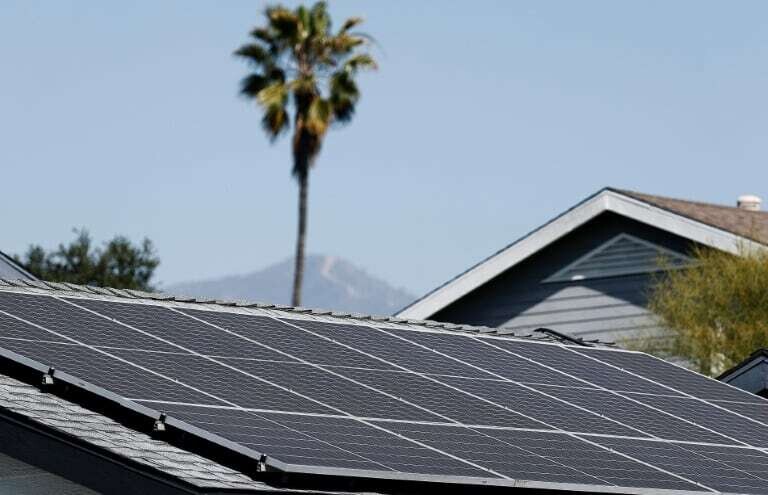
In times of crisis, that 20% savings acts as the necessary buffer against imported inflation, preventing basic consumption from being compromised. Collective efficiency vs. disproportionate changes Energy efficiency is the purest form of savings, but its power lies in scale. If this transition were massive, the demand for imported fuels would fall, strengthening our trade balance. Conclusion The energy crisis is a structural reality. Under inflationary pressure, mechanical neglect becomes a self-imposed tax that drains family wealth. Freedom through savings In a credit-prone society, the energy crisis is an alert. This grants the freedom not to resort to credit cards when fuel prices rise. Systematic savings should focus on an emergency fund that covers at least three months of expenses. Finally, we must look towards the personal energy transition. If we all adopted savings habits simultaneously, the pressure on the national grid would decrease. In the face of rising energy prices, it is vital to create a resilience budget. Today's discipline will be tomorrow's financial peace of mind. The author is a compliance officer. By reducing the use of these expensive sources, the marginal cost decreases, stabilizing the tariff for everyone. A citizen with economic understanding knows that the 'price' is what you pay today, but the 'cost' is what you pay over the lifetime of a piece of equipment. Although our dollarized economy gives us enviable stability, we are not an island immune to external winds. If we used collective and disciplined savings measures, we would not see such disproportionate changes in our bills. Evaluating door seals or equipment maintenance is not an expense; it is an investment with immediate return on cash flow. The adoption of the 50-30-20 financial rule (needs, wants, savings) must be strict. Multiply that savings by every household and you will get a de facto energy sovereignty that would shield the country from external volatility. Personal mobility and logistics Dependence on fossil fuel is our greatest vulnerability. Panama is at an economic crossroads today that demands civic maturity. Stability is not measured only by how much you earn, but by the efficiency with which you manage what you have. Individual inefficiency, multiplied by millions, is what amplifies the impact of external crises. The diagnosis: a resilience budget The first step to protect quality of life is to understand that savings are not 'what's left over,' but a priority allocation. Likewise, preventive maintenance is crucial: a vehicle with incorrect tire pressure or dirty filters consumes up to 15% more. The volatility of the oil market and energy crises directly impact the cost of living: from fuel to electricity, and by a domino effect, the basic basket. Overcoming this situation does not require magic formulas or absolute dependence on subsidies, but a restructuring of our economic culture. Investing in inverter technology or disconnecting 'vampire' loads can reduce the monthly bill by up to 10%. The disproportion in prices is aggravated by logistical inefficiency. This begins by identifying leaks: in our climate, air conditioning often represents more than 60% of the electricity bill. Route planning should not be exclusive to companies; the citizen must group their errands to reduce mileage. In Panama, this would avoid activating thermal power plants based on oil derivatives — the most expensive and polluting — to cover peak demand. Preparing today means moving from reactivity to proactivity. If we implement these measures collectively, international adjustments will no longer be traumatic shocks. Evaluating residential solar panels is the definitive step towards financial independence.