Panama can accelerate solutions to its infrastructure and public service issues through the use of Public-Private Partnerships (PPPs). This is a catalyst for social and economic development that allows for faster addressing of challenges in water, education, health, and logistics infrastructure, while also promoting the generation of quality employment and attracting foreign investment. This model combines the efficiency of the private sector with state oversight to achieve faster results, better service quality, and less immediate pressure on public finances. At a time when foreign investment attraction is showing signs of slowdown, partly due to the lack of a professional and autonomous organization dedicated exclusively to this, PPPs emerge as key engines of growth to boost employment, enhance the country's competitiveness, raise the population's quality of life, and attract new investments.
Water Supply: Reliable access to drinking water is an urgent need, especially in various regions of the country. Projects for building water treatment plants, distribution networks, storage, and maintenance can be executed under PPP schemes, allowing for the leveraging of private financing, modern technology, and best operational practices. Improved water supply not only impacts public health but also strengthens economic productivity, facilitates new investments, and improves the living conditions for thousands of Panamanian families.
Public Schools: The maintenance and modernization of public schools are fundamental to improving educational quality. PPPs can include the rehabilitation of facilities, technological equipment, preventive maintenance, energy efficiency, and the incorporation of specialized laboratories. This model allows for optimizing management, reducing waiting times, and improving the quality of care, strengthening confidence in the public health system.
Generation of Qualified Employment: PPPs have demonstrated their ability to generate formal jobs in areas such as engineering, construction, technology, specialized maintenance, and project management. These jobs boost domestic consumption, increase tax revenue, and contribute to the development of specialized human capital.
Positive Signal for Foreign Investment: The development of well-structured PPP projects sends a clear signal of confidence to international investors, demonstrating that Panama has clear rules, legal stability, and a concrete portfolio of viable projects. This helps to consolidate Panama's position as the main logistics hub in Latin America.
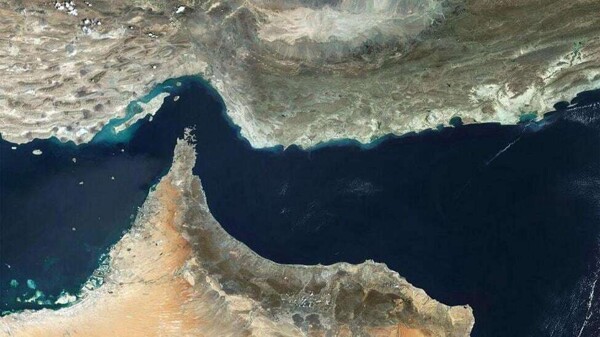
Logistics Infrastructure: The Panama Canal needs to consolidate itself as a strategic point in world trade, which requires strengthening its complementary logistics infrastructure, including distribution centers, cold chain, multimodal transport, and industrial parks. PPPs can accelerate the creation of this key infrastructure—such as dry ports in the country's interior, cold chain systems, and the expansion of strategic highways to ports—and boost the attraction of investment in light manufacturing, assembly, nearshoring, and regional trade. An active PPP agenda helps to reposition the country as an attractive destination for infrastructure funds and multinational corporations. A portfolio of PPP projects between US$1.5 billion and US$2.5 billion could generate between 30,000 and 35,000 jobs during their execution, operation, and maintenance.
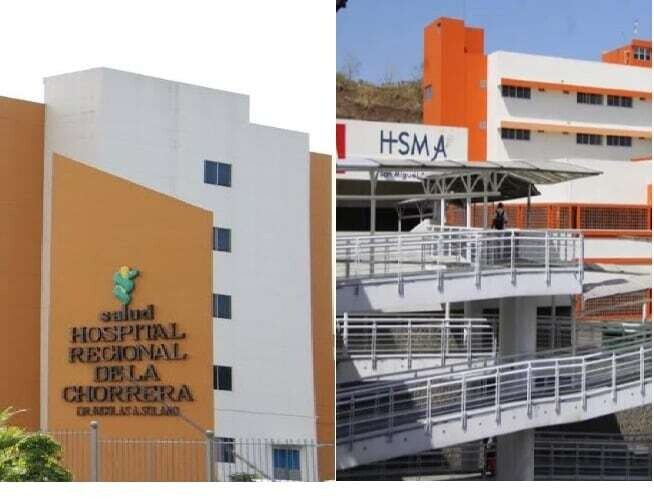
Public Hospitals: The health system can also benefit from PPPs through the modernization and maintenance of hospital infrastructure, the acquisition of medical equipment, and the improvement of support services.