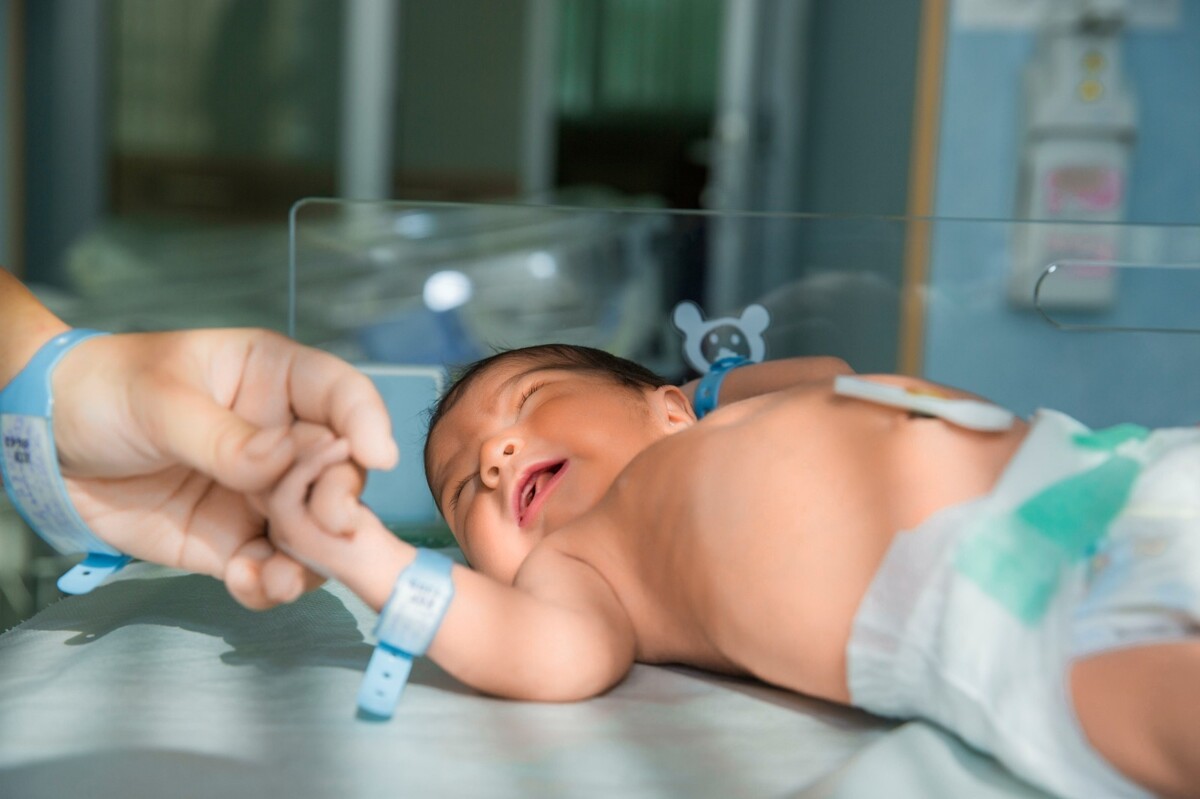
Respiratory Syncytial Virus (RSV) continues to be a major public health challenge, causing severe lower respiratory tract infections, including moderate to severe bronchiolitis and pneumonia. The global hospitalization rate in children under 12 months is 15.9 per 1,000 children, reaching 24.07 in infants under 3 months. In Panama, RSV is responsible for approximately 30% of hospitalizations for severe respiratory infections in children under 5 years, being the leading cause of death in this age group. Between 10% and 20% of hospitalized patients require care in intensive care units, with an annual mortality rate close to 1.2%. The most vulnerable groups include premature newborns, infants under 6 months of unvaccinated mothers, and children with pre-existing heart or lung diseases. A study conducted in Panama from 2018 to 2024 showed high diversity and dynamics of the virus's lineages, as well as the effectiveness of monoclonal antibodies against circulating strains. The cost of hospitalization for RSV is approximately $2,090 per event, rising to $11,087 when ICU admission is required. The study's authors emphasize that implementing preventive strategies, such as maternal vaccination and the use of monoclonal antibodies in infants, is a decisive step to reduce RSV morbidity and mortality. 'The call from experts and health authorities is clear: investing in prevention is protecting childhood, reducing the economic and social impact of the disease, and ensuring that every child in Panama has the opportunity to grow up healthy and protected,' concludes Dr. Ximena Norero.