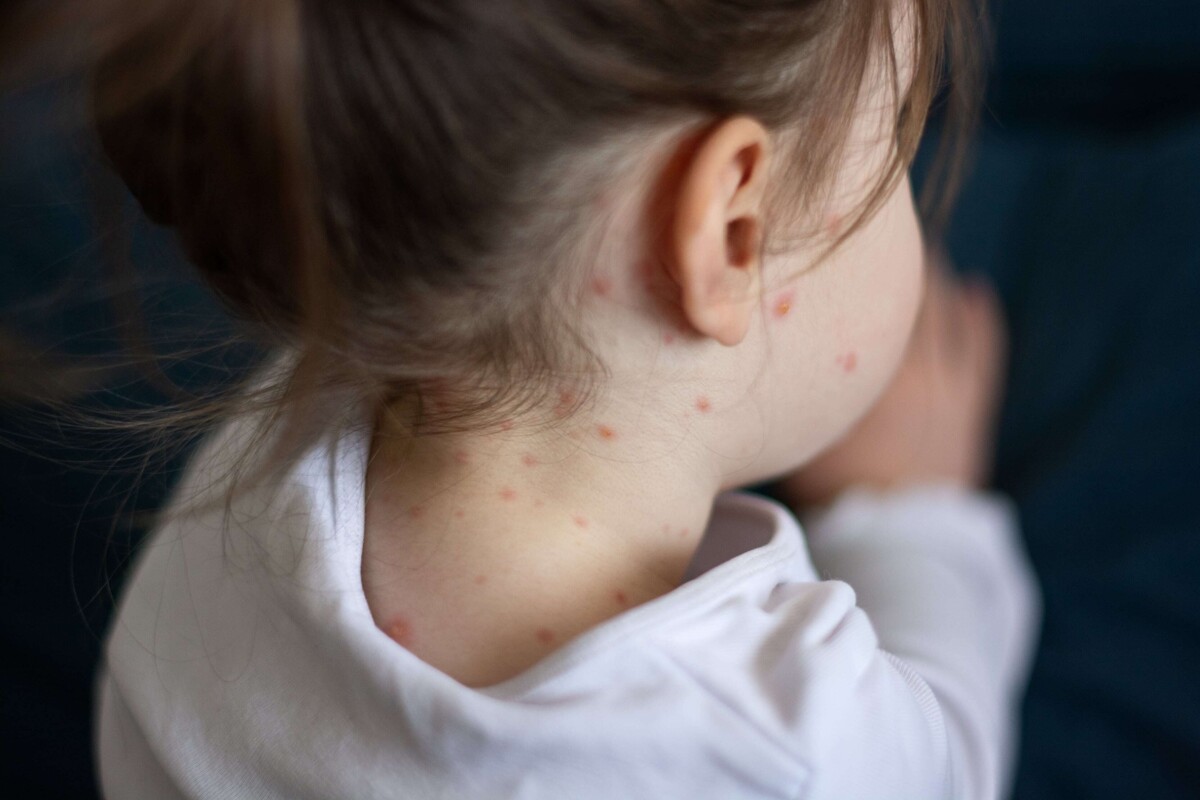
Panamanian scientific societies have issued an epidemiological alert due to the significant increase in measles cases in the Americas region and the risk of virus reintroduction into the country. The statement, signed by the Panamanian Society of Pediatrics, the Panamanian Society of Pediatric Infectious Diseases, the Panamanian Society of Infectious Diseases, and the Panamanian Society of Gynecology and Obstetrics, warned about the decline in vaccination coverage and the need to strengthen prevention and epidemiological surveillance measures. According to the official communiqué, the measles situation in the Americas reached an alert level in 2026, with a more than 40-fold increase in the number of cases compared to the previous year. Specialists pointed out that countries with high international connectivity, such as the United States, Mexico, and Canada, concentrate a significant portion of the cases. Similarly, nations near Panama have also reported recent cases. Costa Rica confirmed two cases in March 2026, while Colombia notified four imported cases linked to international travel and areas with active outbreaks.
Although Panama has not reported endemic cases since 1995, the regional scenario maintains the risk of virus reintroduction, which obliges reinforcing preventive actions. In Panama, the childhood vaccination schedule indicates that the measles vaccine is applied at 12 months of age, along with rubella and mumps; a booster is also given at 4 years of age. The national scheme establishes the application of the first dose at 12 months, the second at 18 months, and a booster between 10 and 19 years. They also recommended that infants over six months traveling to areas with active transmission receive an additional dose at least 15 days before travel. In the case of adults, they indicated that people born after 1960 who do not have evidence of immunity or a complete schedule should receive at least one dose of the triple viral vaccine.
The call also targets groups with a higher risk of exposure or complications, including health personnel, airport and port workers, tourism sector staff, women of childbearing age, and people with an incomplete vaccination schedule. The societies recommended verifying the vaccination status before pregnancy, as the vaccine is contraindicated during gestation. Regarding surveillance, they recalled that a suspected case is defined as any person with fever and skin rash, accompanied by symptoms such as cough, runny nose, or conjunctivitis, especially if there is a history of travel or contact with confirmed cases. Confirmation must be made through laboratory tests or by epidemiological link.