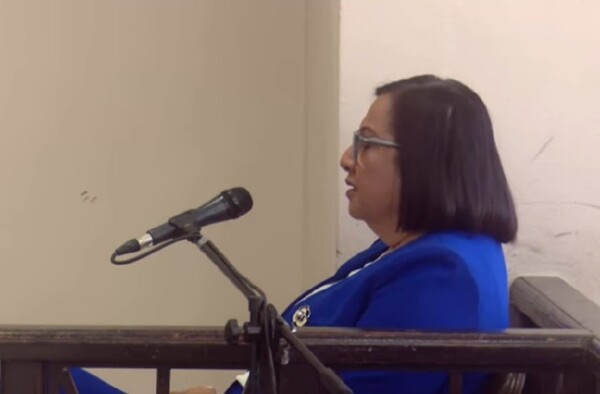
In an interview with Panamá América at the end of July, the president of the Supreme Electoral Tribunal (TE) said that electoral reforms will be conducive to somehow establishing in law, not through regulations or decrees, the grounds that would allow citizens to request the recall of a mandate. However, the other issues mentioned by magistrate Arellano are also highly debated. In turn, the recall of the mandate will be subject to modifications, something that had already been announced by the magistrates when the period to request it opened last July. Arellano said that political parties develop in their statutes the grounds for the recall of their representatives, mayors, and deputies, which does not happen with independents, so he affirms that perhaps it is convenient to regulate this without diminishing the right that citizens have to request the recall of a mandate. In the last elections, it was decided to maintain the same formula, with the exception of a controversial last-minute reform, sanctioned after the package of electoral reforms and that limits candidacies from national or partial alliances in multi-member constituencies. In this sense, Arellano specified that the issues that will be subject to changes are the form of voting, allocation of seats, and proclamations, recall of the mandate, and deputies to the Central American Parliament (Parlacen). The decision was announced by the presiding magistrate, Narciso Arellano, at the beginning of session No. 29 of the CNRE. Within the commission, it was agreed that the discussion would resume on Wednesday, January 7 of the following year. Precisely, the issue of Parlacen will be something new, which also generates expectations. Due to the sensitivity of these issues, it is most likely that the CNRE will take all of January or even February to conclude its entrusted mission. In the case of the form of voting, it will be interesting to know the proposal regarding the 'party ticket' vote (voto plancha) and how the deputies to Parlacen who will be chosen in 2029 for the first time by direct vote will be voted on. The Supreme Electoral Tribunal (TE) decided to suspend the sessions of the National Commission on Electoral Reforms (CNRE) during the month of December, when only the last block of modifications remains to be addressed. Generally, the commission meets on Thursdays, however, it was agreed to move the day to Wednesday, since that Friday falls on January 9, National Day of Mourning, which commemorates Sovereignty Day, in remembrance of the feat of the Panamanian youth of 1964. Without a doubt, the allocation of seats in multi-member constituencies will be the most controversial topic to be discussed in the last block.

Panama's Electoral Tribunal Suspends Reform Discussions
Panama's Supreme Electoral Tribunal has suspended sessions of the National Electoral Reforms Commission. Key controversial topics include voting methods, seat allocation, and mandate recall. The final block of reforms will be revisited in January.