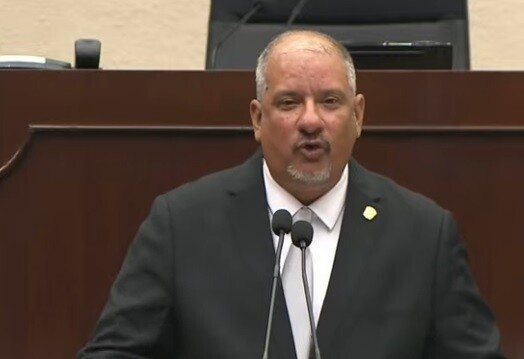
Thus began the second legislative session of the National Assembly, this Friday, January 2, with a speech that attempted to mark a new beginning, although it still carries pending issues that were not resolved in the first period. Herrera acknowledged that the start of his management was complex, marked by political realignment and the fight for control of the standing committees. The Assembly's internal regulations, one of the great promises at the start, remains undiscussed. Herrera assured that he is not afraid of the issue, but the truth is that time passes and the document has not reached the plenary session. To this is added another weight that the deputies carry upon returning to the hemicycle: more than 80 draft bills were shelved at the end of the first period and now return to the table, amidst an Assembly that continues to be under public scrutiny. Herrera spoke of a new opportunity, of correcting mistakes and of doing things better. Even so, he defended his work. He said that in these months more laws were approved than in the last two years and gave himself a grade of 4, ensuring that the Assembly has indeed advanced. In his message, he spoke of what's to come: education, drinking water, cheaper medicines, adjustments to decentralization, strengthening of state revenues, and changes to the diplomatic and consular career. Jorge Herrera stood in the plenary again and spoke of changes, laws, the future. Big topics, but still waiting for real results. One of the announcements was that this year the production and marketing of bioethanol will be promoted, a project that will be debated in a public forum on January 15, to listen to positions for and against before continuing to push the legislation. But the speech also left uncomfortable silences. The street, meanwhile, continues to wait that this time the speech will walk hand in hand with facts and not remain, once again, just in words.