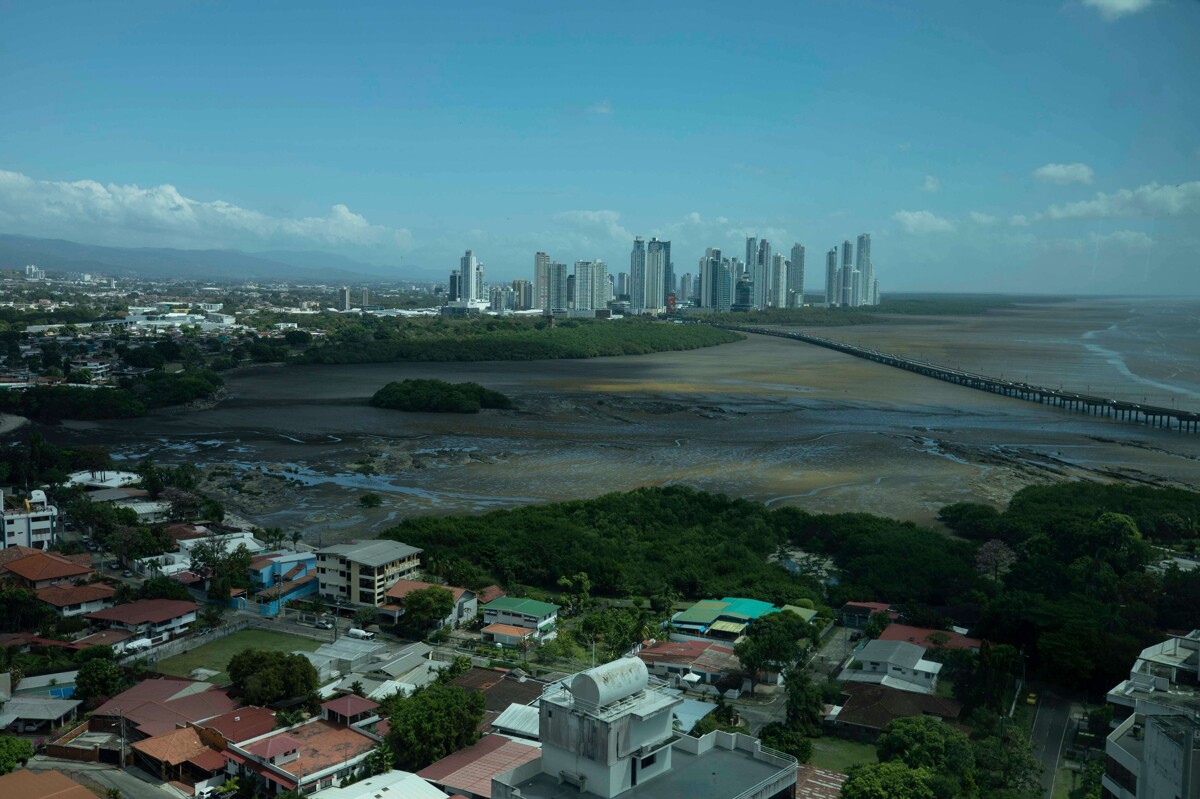
Every disappearing fragment of mangrove forest weakens the relationship between nature, history, and the community. In this particular case, recognizing the value of the mangroves of Panama Viejo implies understanding that it is not just a natural landscape, but a living system that articulates the environmental, social, and heritage aspects. Intervening in or eradicating them without considering their integral value means losing not only biodiversity but also a natural system that has historically protected the city. In many cases, they are perceived as empty and unproductive spaces when, in reality, they perform a vital function in the city's environmental balance and quality of life. This lack of recognition has led to their progressive reduction, affecting not only the ecosystem but also the communities that depend on it. Urban growth and pressure on the territory represent a constant threat to these ecosystems. It is a place that transports those who visit it to an evident harmony between its ruins and the context that surrounds them. However, beyond its historical and architectural value, the natural environment that complements and enriches it with a diversity of flora and fauna often goes unnoticed, despite being an essential part of its identity. The mangroves surrounding Panama Viejo are not circumstantial components within the landscape, but living systems whose existence dates back over 100 million years globally, and have adapted to environmental changes. Their persistence over time evidences their resilience capacity in the face of both human intervention and natural dynamics. From an ecological point of view, mangroves reduce wave energy by up to 66%, acting as a natural barrier against flooding and coastal erosion. Their presence defines a moment in which history marked the origins of what has today become a cosmopolitan city. The presence of birds, along with the area's biological richness, not only reinforces its environmental importance but also enhances its meaning within a historical space, generating a sense of belonging in those who visit it. Even so, despite the importance of the mangroves and their environment, they are unfortunately underestimated in urban planning. Furthermore, they function as breeding grounds for multiple marine species, many of them essential for artisanal fishing and the food security of the communities. This same condition turns them into a meeting point where the natural and its cultural value converge. Their conservation is not only an ecological responsibility but also a commitment to the identity and future of the city. The United Nations Environment Programme is clear in stating that 'the protection of ecosystems is fundamental to guarantee the sustainability of cities and the well-being of their inhabitants.' The author is an architect and a master's student in Landscape Architecture. The ruins of Panama Viejo, without a doubt, represent a fundamental symbol of the Republic of Panama before the eyes of the world.