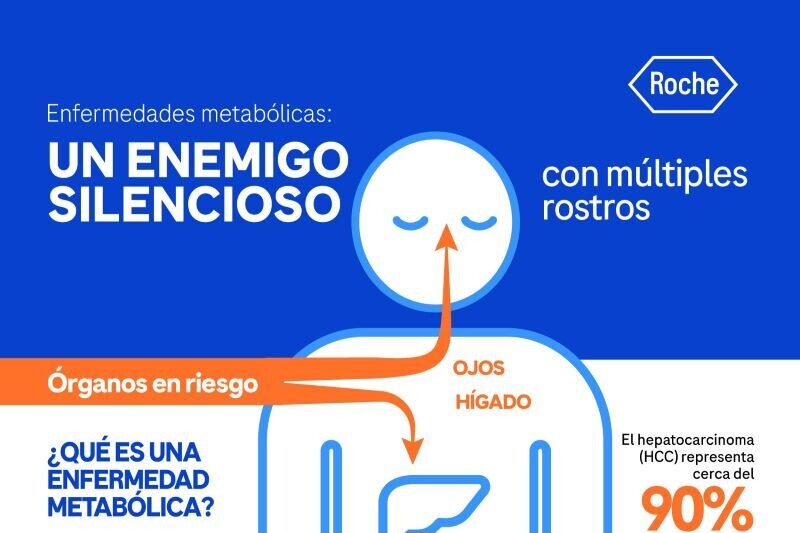
Health Risks: Metabolic Diseases Threaten Liver and Vision in Adults
Metabolic diseases alter how the body processes and obtains energy, creating imbalances that silently affect multiple organs. Organs like the liver and eyes act as sensitive indicators of the body's energy balance. When this balance is broken, the eyes are affected and vision is lost, while the liver becomes inflamed, progressing from fatty liver to cancer, explains Dr. Rebollón.
Diabetes: More Than a Sugar Disease Type 2 diabetes and metabolic syndrome cause progressive damage to vital organs such as the heart, kidneys, eyes, and liver, often without showing symptoms in early stages. "We have moved beyond the simplistic view of diabetes as an exclusive problem of glucose or high blood sugar levels. Today we understand that we are facing a disorder that silently compromises the function of multiple organs, and our responsibility is to identify that deterioration before the consequences become irreversible," states Dr. Arturo Rebollón, Medical Manager at Roche in Panama.
Vision at Stake: Diabetic Retinopathy and Macular Edema Diabetes is the leading cause of vision loss in working-age adults. 34.6% of adults with diabetes will develop diabetic retinopathy, and 7.48% will develop diabetic macular edema (DME). DME occurs when retinal blood vessels deteriorate and allow fluid to leak into the macula, the ocular structure responsible for detailed vision. These data show that visual complications are not isolated cases, but a frequent consequence of metabolic imbalance.
The Liver: The Invisible Victim of Metabolic Imbalance There is an undeniable metabolic connection between what we see in the eye and what happens in the liver. Between 5 to 10% of people with diabetes develop cirrhosis, and once in this stage, the risk of hepatocellular carcinoma (HCC) increases by 1 to 2% annually. Non-alcoholic fatty liver disease associated with metabolic dysfunction can evolve into steatohepatitis, cirrhosis, and HCC, the most common form of liver cancer.
Global Scale of the Problem According to the International Diabetes Federation (IDF), one in nine adults has diabetes, and more than 40% are unaware of their condition. Over 21 million people currently live with this condition globally, a figure that is constantly rising parallel to the increase in diabetes cases. The WHO points out that the coexistence of diabetes, obesity, hypertension, and dyslipidemia creates a vicious cycle that exponentially amplifies the risk of liver, visual, and cardiovascular damage.
The Challenge of Metabolic Diseases Metabolic diseases are preventable and manageable, but they demand an integral approach that combines health education, timely diagnosis, and multidisciplinary care. The challenge transcends simple glucose control: these pathologies trigger a domino effect in the body, especially affecting the liver and vision, two critical areas that require priority attention in the health system.
The key is in active self-care: a balanced diet, regular exercise, and periodic medical check-ups can make the difference between controlling a chronic condition or facing its devastating complications. Disregarding the signals of altered metabolism means allowing hepatocellular carcinoma or diabetic macular edema to progress unnoticed until they seriously compromise health.