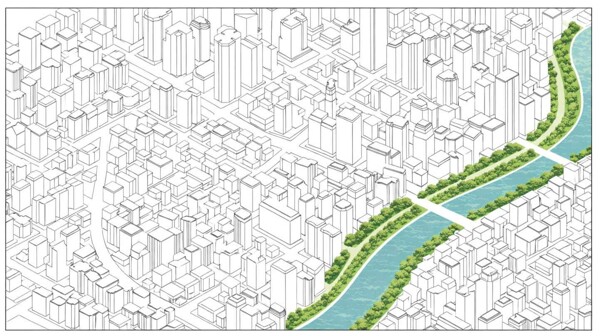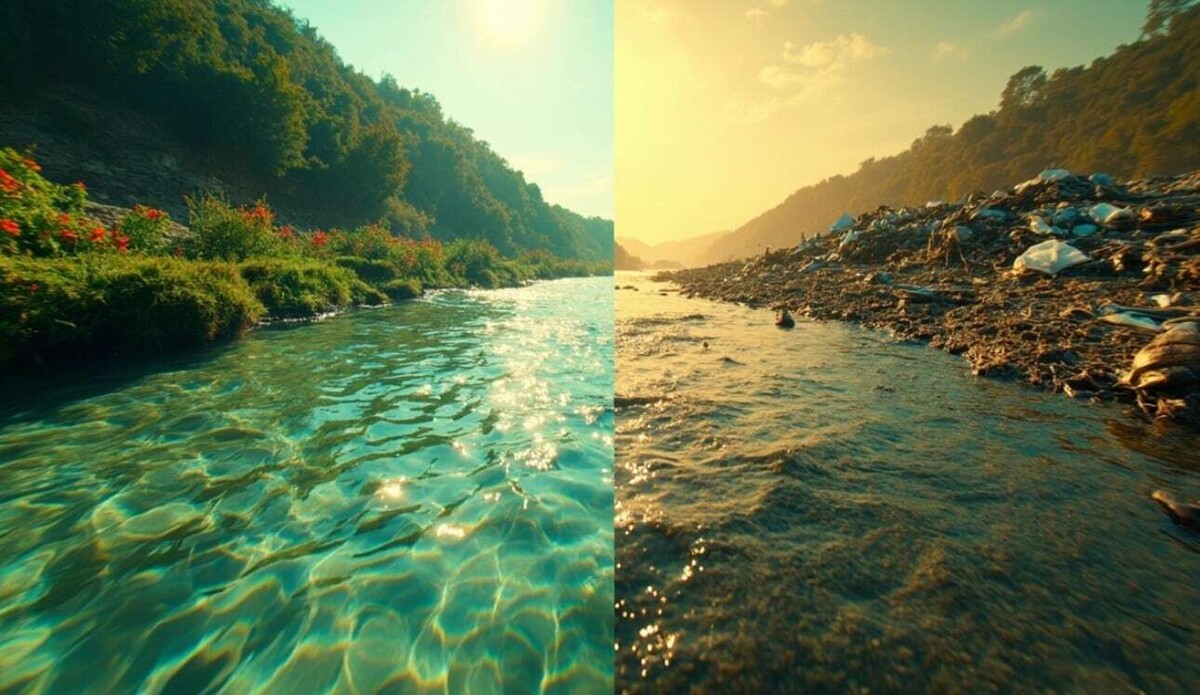
The river's recovery not only represents an environmental improvement but also an opportunity to reconstruct collective identity, strengthen the sense of belonging, and demonstrate that through joint commitment, it is possible to transform a deteriorated space into a symbol of resilience and hope. Caring for water is not just a necessity, but an act of responsibility towards the present and a commitment to future generations. The river's recovery does not depend solely on the authorities but on the reconstruction of the relationship between the community and its environment. In this sense, it is essential to promote initiatives that encourage the care of open spaces, waste reduction, and active community participation. To these conditions is added a more visible and latent problem: the accumulation of solid waste around the river, which has gone from being a situational issue to becoming part of the daily landscape. The constant presence of waste in different sections reveals weaknesses in the environmental management of the sector. The implementation of educational programs, cleanup campaigns, and sustainable management strategies can contribute to transforming the perception of the river and its surroundings. Between trash and memories, Río Abajo still has the possibility to redefine its future. These expansions, in many cases unplanned, have contributed to the deterioration of the river as an open space, weakening its value as a community gathering place. To this is added a deeper phenomenon: ecological illiteracy. Consumption patterns, along with inadequate waste disposal practices, have turned the river into a receiver of waste, altering its ecological and social function. Faced with this scenario, the question arises about the most effective strategies to reverse this situation. The district of Río Abajo currently faces a series of urban problems that significantly affect the quality of life of its inhabitants. This reality increases the urban water footprint and aggravates a water crisis that manifests with greater intensity in vulnerable urban contexts. The problem in Río Abajo does not respond to a single cause but to a complex interaction of social, economic, and cultural factors. Of this total, between 30% and 40% do not receive adequate treatment, ending up, in many cases, in rivers, streams, and public spaces. The normalization of garbage in the environment reflects a progressive disconnection between the community and water as a vital resource. The growth of commercial activity, although representing an opportunity for economic development, has transformed the dynamics of the district, progressively displacing spaces that were part of its identity. Among them, the lack of sidewalks, limited universal accessibility, and a growing crime rate stand out. Beyond the application of sanctions, it is necessary to promote environmental education processes that strengthen collective consciousness, as well as generate incentives that encourage responsible practices. In Panama, approximately 4,800 tons of solid waste are generated daily, equivalent to 1.7 million tons per year.