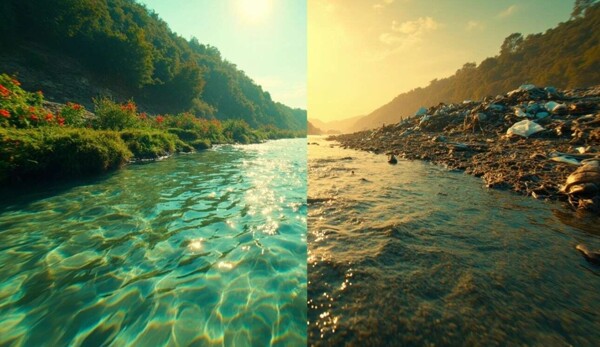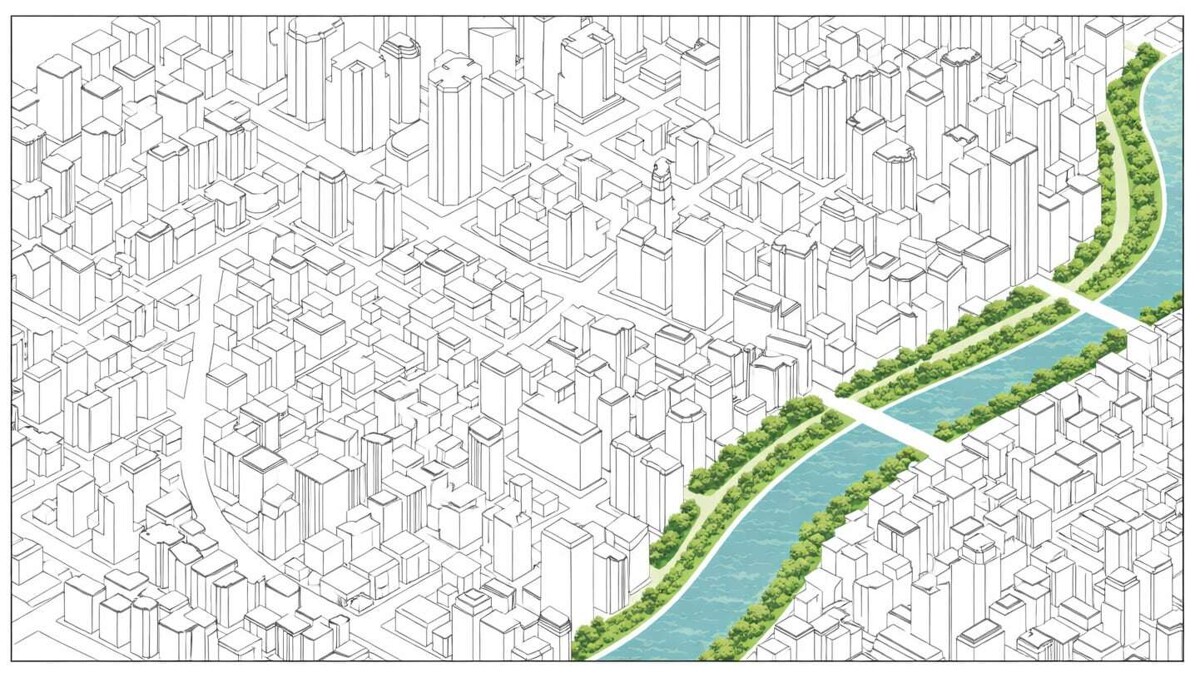
The rise of private spaces like pools, parks, and gyms is leading to urban fragmentation, isolating communities and reducing real public encounters. Economic development should focus not only on growth but also on social equity. However, private spaces are often exclusive, with access depending on ability to pay rather than right. In Panama, for example, there is a historical deficit of quality public spaces. UN standards recommend 9-15 m² per inhabitant, but Panama has only 5.5 m². This raises questions: are we ensuring equitable access to public spaces, or reinforcing a model where quality is measured by wealth? Water is a natural element that can connect territories without social or political barriers. Architect Kongjian Yu notes that water systems function as ecological infrastructure that supports spatial relationships. To reverse this trend, public spaces, especially open ones, must be recognized as a collective right, not a privilege. This requires academia, authorities, and communities to develop a critical, holistic approach that challenges current development models and changes behaviors that perpetuate private space as an object of speculation and segregation.