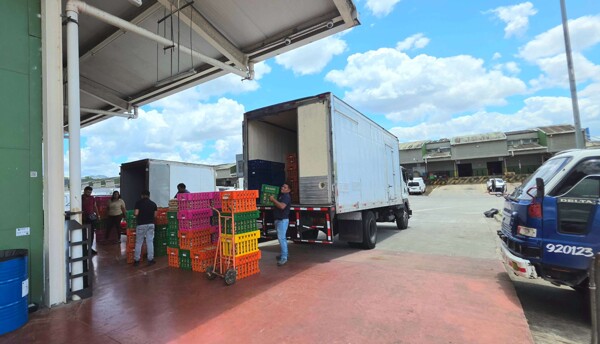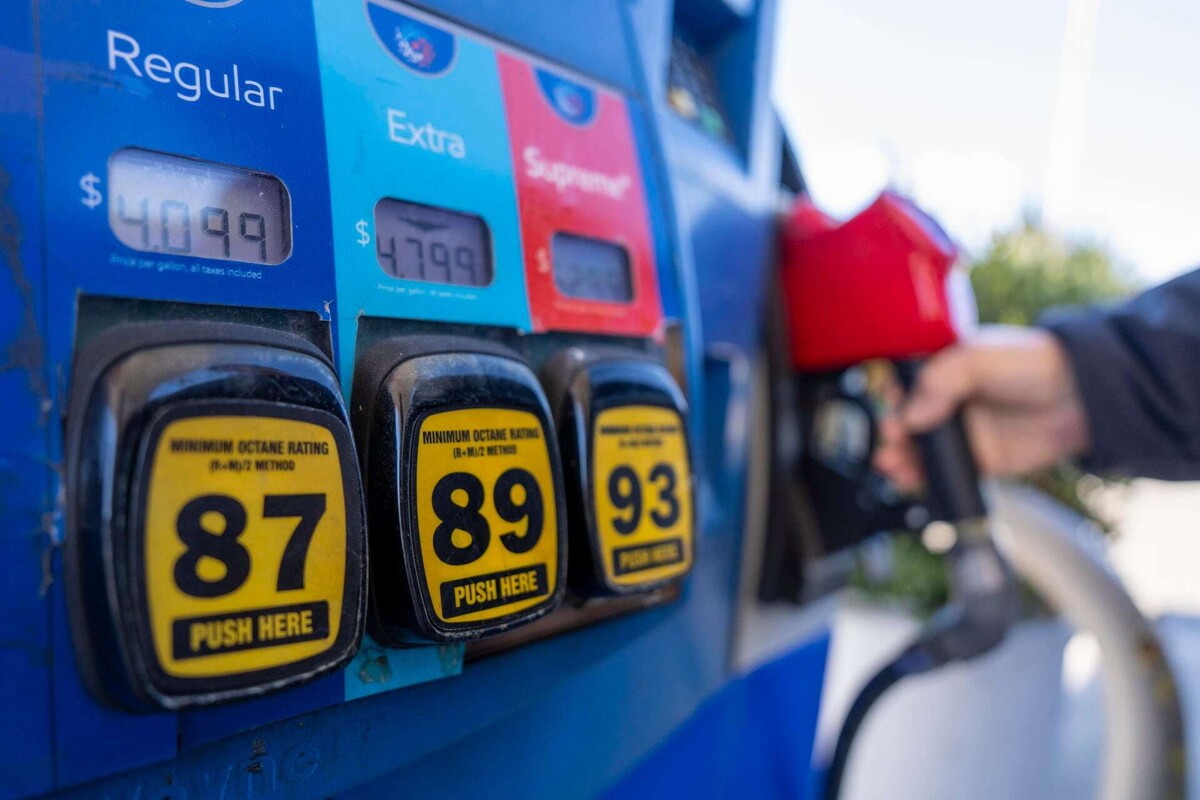
This dilemma is known in financial literature as operational risk. As stated by Stephen A. Ross, Randolph W. Westerfield, and Jeffrey Jaffe (2019) in 'Corporate Finance,' a company's cost structure determines its sensitivity to market changes. A company with high logistics costs is much more susceptible to oil price fluctuations than a digital services firm. Strategies to stay afloat. How can a business remain sustainable when filling the tank costs 30% more than last year? The solution is not magical, but strategic. Energy efficiency: Investing in technologies that require less fuel is no longer an 'eco-friendly' option, but a necessity for survival. Route optimization: Using programs that reduce unnecessary kilometers can save crucial profit margins. Diversification of suppliers: Seeking local supplies that do not depend on costly international freight. The connection with the consumer. It is essential to understand that viability is also related to how customers perceive price changes. In their study on consumer behavior, Schiffman and Wisenblit (2015) indicate that buyers have price limits. If the cost of oil forces a company to raise prices beyond what the customer considers reasonable, viability is lost, not due to a lack of product, but due to a fall in demand. Conclusion: adapt or disappear. The rise in oil prices is a test of resilience. The successful companies are not necessarily those with the most savings, but those that can adapt their business model to an expensive energy situation. Financial planning and regular monitoring of economic indicators are the only reliable tools in this crisis. In the end, the price of oil will continue to fluctuate according to geopolitical decisions, but the strength of a company will depend on its ability to manage these waves of uncertainty. The author is an economist and teacher. It refers to a company's ability to endure over time, obtaining sufficient profits to cover its expenses and compensate its owners. As noted by Nassir and Reinaldo Sapag Chain (2014) in 'Project Preparation and Evaluation,' technical and economic viability in their study on investments is the foundation that supports any long-term project. When the price of oil increases, it creates a 'domino effect.' Not only does the fuel cost for the truck delivering products increase; the prices of plastics derived from oil, chemical fertilizers for agriculture, and, of course, electricity in many places also rise. This affects profit margins, which is that vital space between the cost of production and the selling price. The immediate effect and inflation. Oil acts as the engine of the global productive system. According to classical economic theory, an increase in the cost of essential inputs shifts the supply curve to the left, which raises the price of the final product. For the average consumer, this translates into inflation. In the complex board of the world economy, few variables can generate as much instability as 'black gold.' For the owner of a small bakery who manages a delivery fleet or the director of a large company, the cost of a barrel of oil is not just another piece of data in economic reports; it becomes a key element that can determine whether a business remains operational or permanently closes its doors. But what does it really mean for a company to be 'sustainable' in a context of unstable energy costs? Sustainability: more than just having sales. The sustainability of a business does not consist only in having high sales. For the business owner, it represents a crossroads: do I raise prices and risk losing customers, or do I keep prices and face losses until the company goes bankrupt?