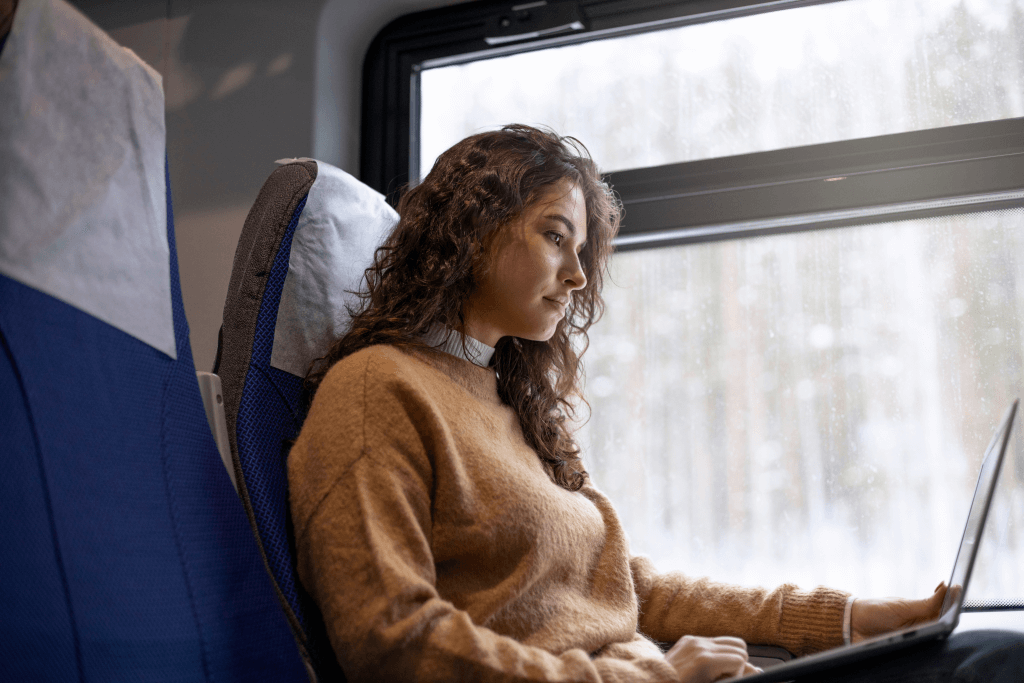
Five minutes of movement can prevent severe swelling and leave you feeling far less exhausted by the end of the trip. You might also consider a seat cushion. Still, the idea of spending hours in an uncomfortable seat can be intimidating. If you have to go, it’s worth preparing properly. If you know you’ll move around often or value legroom, this is the better option. Keep an eye on empty seats.
Below are practical, proven tips: how to choose the right bus and seat, what to bring with you, and how to make yourself as comfortable as possible. Read reviews, check whether the company prioritizes safety and passenger comfort. If space is limited, simply taking off your shoes and sitting in socks can be a relief. That said, at night there’s nothing to see, and sleeping with your neck bent isn’t always as comfortable as it sounds.
Aisle seats give you freedom to stretch your legs and stand up whenever you want without bothering anyone. Change position every 15-20 minutes and do simple exercises in your seat: rotate your ankles and wrists, stretch your legs forward and arms upward, alternate lifting heels and toes, point and flex your feet, and gently lift your legs while tensing the muscles. Get off the bus at every stop. Move even while seated — don’t wait for discomfort to start.
Tea or coffee in a thermos is a nice bonus, especially on overnight rides. The sweet spot is the middle of the bus, where vibrations are weaker and exits are closer. Window seats are popular for a reason. You can lean against the side, rest your head, and no one brushes past you. The front can be affected by headlights from oncoming traffic, dashboard lights, and conversations with the driver — not ideal for sleep.
Seat choice accounts for at least half of your comfort, and there are a few clear rules. Avoid the first and last rows. If you notice a few free ones after departure, politely ask the driver if you can move. Long-haul drivers and rideshare drivers often use them. This lets you adapt to changing temperatures easily. Foot comfort is critical.
Your feet will swell on a long ride, so shoes should be soft and easy to loosen or remove. Don’t miss the chance. Creating Comfort A good travel pillow makes a huge difference. It prevents your head from jerking forward at every turn and allows you to actually relax. U-shaped neck pillows with a front clasp are the most supportive. If your lower back starts aching, roll up some clothing and use it as lumbar support.
If the seat reclines, use it — just warn the person behind you first. There are memory foam options that distribute pressure evenly and inflatable ones that pack down very small. These simple tools can dramatically improve your sleep. Preventing Swelling Avoid sitting with your legs crossed. It restricts blood flow and almost guarantees numbness and swelling. The most important thing is giving your feet room to breathe.
Food and Drinks: What to Pack Hunger and thirst ruin any trip. Plan your snacks ahead of time. Choose foods that don’t smell strongly, don’t crumble, and won’t spoil quickly. Good options include apples, bananas, nuts, and granola bars. If you want something more filling, wrapped sandwiches work well. Remember: you’re in a shared space. Strong-smelling food is best avoided. Mint candies are also useful: they freshen your breath and can help with mild nausea. Sip small amounts regularly.
Offline Entertainment Matters Don’t count on mobile internet. Often the connection can be lost. That’s why it’s better to download everything in advance. With offline content, time passes much faster. An e-reader or reading app is better than a paper book. Try to find out the make and model in advance. This helps you understand what to expect: how far the seats recline, how much legroom there is, how wide the aisles are.
Once you know that, things get easier. Of course, spending a few hours playing slots at bizzocasino.com or watching YouTube are good. But often the connection can be lost. That’s why it’s better to download everything in advance. With offline content, time passes much faster. An e-reader or reading app is better than a paper book. Try to find out the make and model in advance. This helps you understand what to expect: how far the seats recline, how much legroom there is, how wide the aisles are.
Dressing the Right Way What you wear has a big impact on how you feel. Dress in layers. Start with something light and breathable, like a cotton T-shirt, and add a sweater or light jacket you can remove if it gets warm from the heater or engine. A blanket is essential, especially on overnight trips or in colder seasons. Don’t rely on the thin blanket some companies provide — your own throw, a thick hoodie with a hood, or even a jacket you can wrap around yourself is far cozier and more hygienic.
If your feet get cold easily, pack warm socks. Bring a second pair — slippers, flats, or slip-on sandals are perfect. A sleep mask lets you rest even with cabin lights on or morning sun coming through the windows. Earplugs or noise-canceling headphones help with engine noise, conversations, or snoring neighbors. Even switching rows can make a big difference — less noise, a better recline angle, or more space. Place a backpack under your feet to reduce knee strain.